When Geniuses Go Broke: The Social Psychology of Smart Money Making Dumb Decisions

The Man Who Discovered Gravity Couldn't Escape Market Forces
Isaac Newton — the guy who literally invented calculus and figured out how planets move — lost the equivalent of $4 million in today's money during the South Sea Bubble of 1720. But here's the part that should terrify every investor: he saw it coming.
 Photo: Isaac Newton, via breakthrough.neliti.com
Newton bought shares in the South Sea Company early, watched them triple in value, and sold in April 1720 with a tidy profit. He told friends the whole thing was obviously unsustainable. Then he watched those same friends get even richer as shares continued climbing, and in August — near the absolute peak — he bought back in with everything he had.
When the bubble burst, Newton reportedly said he could "calculate the motions of the heavenly bodies, but not the madness of the people." What he couldn't calculate was his own psychology.
The Curse of Being Right Too Early
Newton's mistake wasn't analytical — it was social. He understood the fundamentals perfectly. The South Sea Company was a glorified government bond scheme dressed up as a trading empire. Their business model made no sense. Their profit projections were fantasy.
But while Newton was being rational, everyone around him was getting rich. His friends, his colleagues, his servants — people with a fraction of his intelligence were making fortunes by ignoring everything he knew to be true about valuation and risk.
This is the psychological trap that catches smart money in every bubble: the cost of being right too early isn't just financial — it's social. When you're the only person at dinner parties talking about unsustainable valuations while everyone else is comparing their portfolio gains, you start to feel like the idiot.
The Pattern Repeats With Mechanical Precision
Newton wasn't unique. John Maynard Keynes — arguably the most influential economist of the 20th century — nearly went bankrupt twice by betting against bubbles he correctly identified. In the 1920s, he shorted the market because he could see it was overvalued, then had to cover his positions at massive losses as prices kept rising.
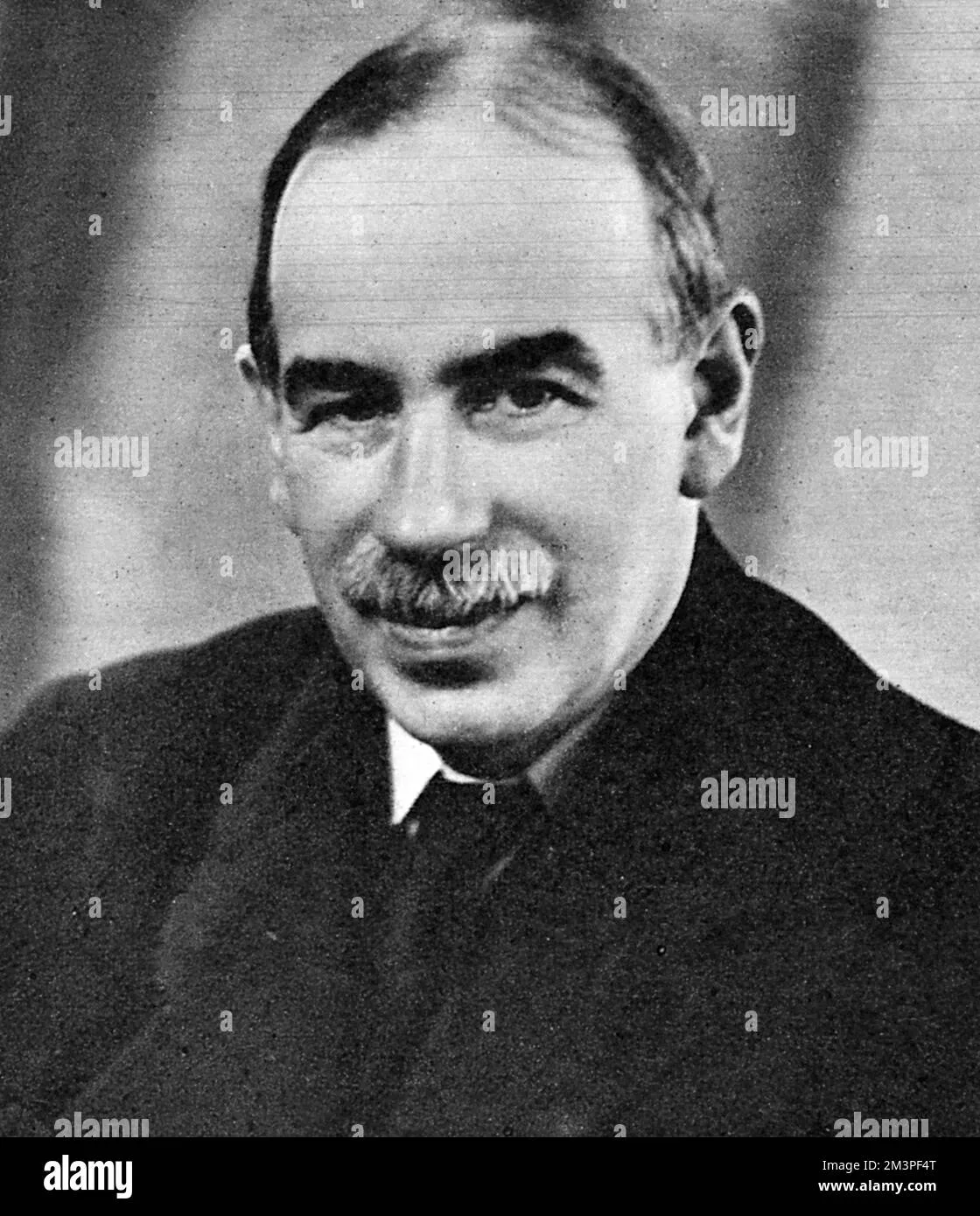 Photo: John Maynard Keynes, via c8.alamy.com
Keynes learned from this experience and famously wrote that "markets can remain irrational longer than you can remain solvent." But even after learning this lesson intellectually, he made similar mistakes later in his career.
During the dot-com bubble, legendary investor Julian Robertson shut down his Tiger Fund in 2000 because he couldn't stomach watching "internet companies with no revenues" trade at higher valuations than profitable industrial companies. He was completely right about the fundamentals — and completely wrong about the timing. The bubble didn't burst until after he'd already given up.
 Photo: Julian Robertson, via media.marketrealist.com
Why Smart People Make Predictably Dumb Decisions
The problem isn't intelligence or information. Newton had access to the same financial data as everyone else, plus a brain that could derive the laws of physics from first principles. Keynes literally wrote the book on economic theory. Robertson had decades of successful investing experience.
What they didn't account for was the psychological pressure of watching other people get rich while they stayed rational.
Humans are social animals. Our brains are wired to care more about our relative position than our absolute wealth. When everyone around you is making money and you're not, it feels like losing — even when you're preserving capital and they're taking insane risks.
This is why bubbles don't just fool the ignorant. They specifically target the smart money by creating a social environment where intelligence feels like a liability.
The Dinner Party Test
Every bubble creates the same social dynamic: early skeptics get marginalized, then converted. In 1999, if you went to a dinner party in Silicon Valley and said Amazon was overvalued, people looked at you like you didn't understand the new economy. By 2000, even the skeptics were buying tech stocks because they were tired of feeling stupid.
The same thing happened with housing in 2006. Smart people who understood that home prices couldn't rise faster than incomes forever found themselves sitting out the biggest wealth creation opportunity of their lifetimes — until they couldn't take it anymore and bought in just before the crash.
Cryptocurrency in 2021 followed the identical script. Professional investors who'd spent decades analyzing cash flows and earnings multiples suddenly found themselves explaining to their clients why they didn't own Bitcoin while it was going up 10x.
The Information Paradox
Here's the cruel irony: the more you know about markets, the more likely you are to fall for this trap. Ignorant investors who buy and hold don't agonize over valuation metrics or worry about timing the market. They just ride the wave up and down without making dramatic decisions.
Smart investors, by contrast, are constantly analyzing and reanalyzing their positions. They know when things don't make sense. But they also know when they're underperforming, and that knowledge creates psychological pressure that can override rational analysis.
Newton understood orbital mechanics, but he couldn't resist the gravitational pull of social proof.
The Lesson That Nobody Learns
Every generation of investors thinks they're different. They've studied the previous bubbles, they understand the psychology, they've read all the books about market manias and crowd behavior.
Then the next bubble comes along, and they make the same mistakes for the same reasons.
The dot-com veterans who swore they'd never again buy companies without revenues were buying cryptocurrency and NFTs in 2021. The housing crash survivors who promised they'd learned about leverage were loading up on meme stocks and SPACs.
The pattern is so consistent it's almost algorithmic: smart money identifies the bubble, stays out initially, watches everyone else get rich, eventually capitulates near the peak, then gets wiped out in the crash.
Markets Don't Run on Information — They Run on Psychology
The conventional wisdom says markets are information-processing machines that efficiently price assets based on available data. But if that were true, Isaac Newton would have been the greatest investor in history instead of one of its most famous casualties.
Markets don't run on information — they run on the social dynamics of the people who participate in them. Fear, greed, envy, and the desperate need to fit in drive more investment decisions than spreadsheets and financial models.
This isn't a flaw in the system that can be fixed with better education or more sophisticated analysis. It's a feature of human psychology that shows up every time people with money get together to make decisions about the future.
Newton's real discovery wasn't about gravity — it was about the fundamental force that moves markets: the irresistible pull of watching other people get rich while you're being sensible.
That force is stronger than logic, more powerful than analysis, and more predictable than any mathematical formula. It's been separating smart people from their money for centuries, and it will keep doing so for centuries more.
Because in the end, we're not rational economic actors — we're humans who hate feeling left out of the party, even when we know the party is going to end badly.