How to Spin a Coup: Julius Caesar's Guide to Rebranding Tyranny
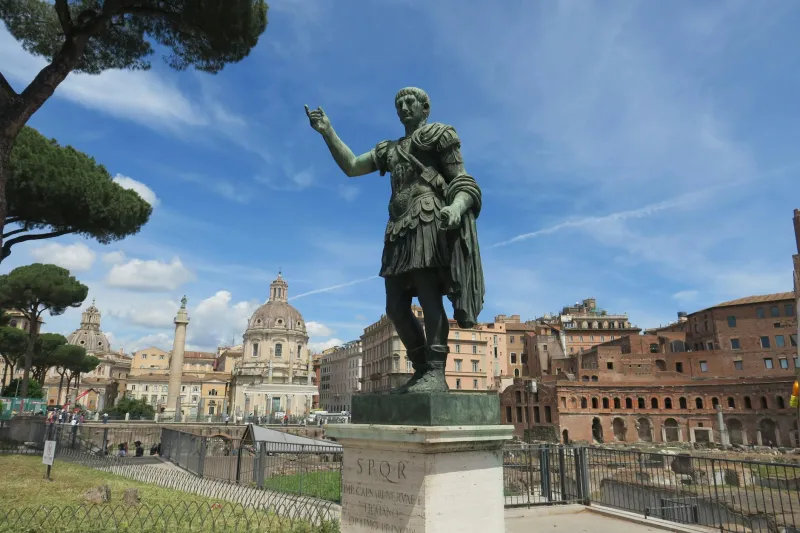
The Ultimate Reputation Management Crisis
When Julius Caesar crossed the Rubicon in 49 BC, he wasn't just starting a civil war. He was facing the ultimate reputation management crisis: how do you convince people that overthrowing the government is actually saving it?
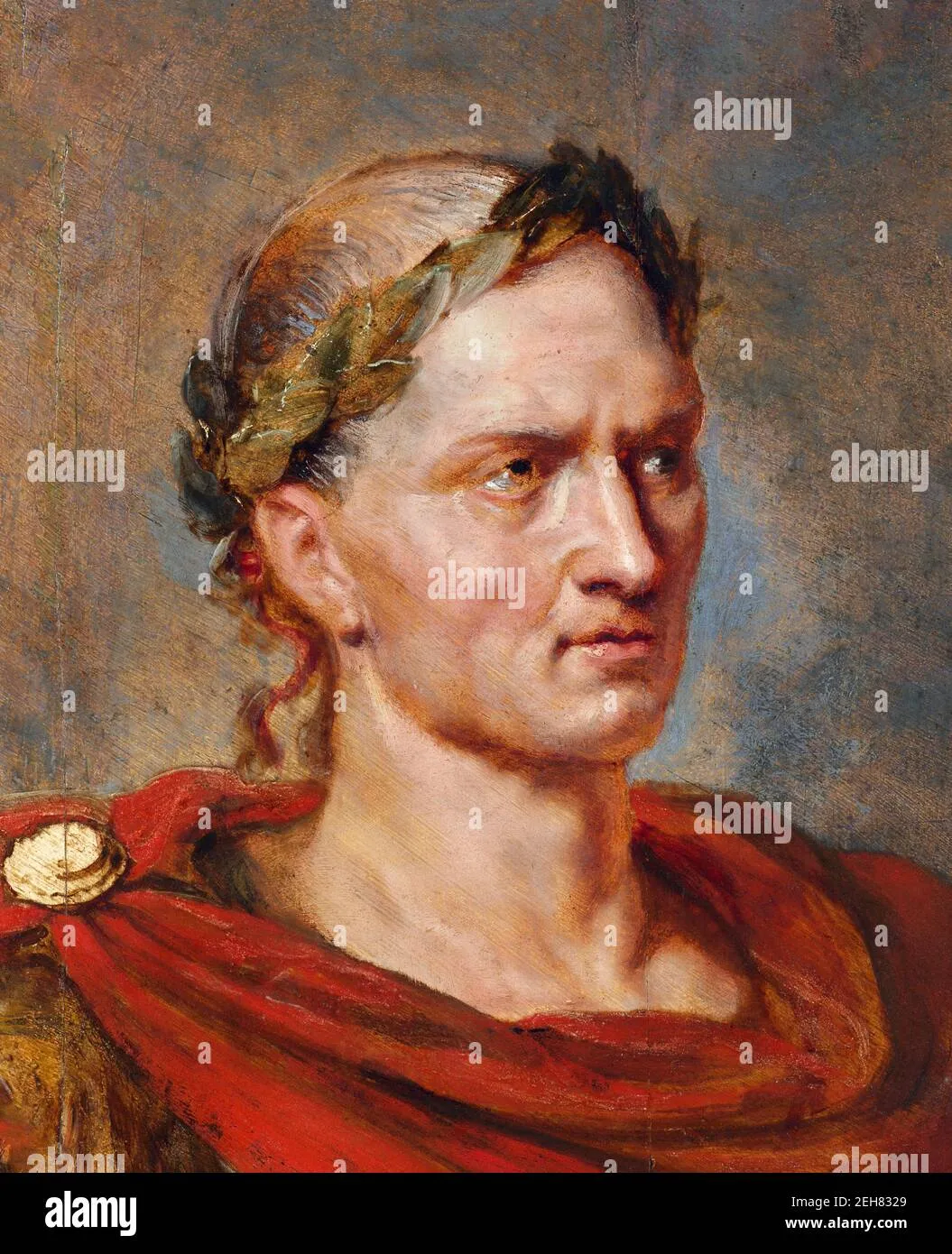 Photo: Julius Caesar, via c8.alamy.com
Caesar had a problem. He was about to become everything Romans had been taught to hate — a would-be king destroying the Republic their ancestors died to create. But by the time he was finished, he'd convinced most Romans that he was their savior. His rebranding campaign was so successful that "Caesar" became synonymous with legitimate rule for the next 1,500 years.
Every modern executive facing a hostile takeover, every politician explaining away a scandal, every startup founder pivoting after a spectacular failure is using techniques Caesar pioneered.
Step One: Control Your Own Story
Caesar wrote his own memoirs. This sounds normal today, but it was revolutionary then. Military commanders didn't usually write detailed accounts of their campaigns — historians did that later, after sifting through multiple sources and trying to figure out what actually happened.
Caesar cut out the middleman. His "Commentaries on the Gallic Wars" weren't just military reports — they were carefully crafted PR documents that made him the hero of every story. When he describes crossing the Rubicon, he doesn't say "I decided to overthrow the Republic." He says he was forced to act by his enemies, who left him no choice but to defend himself and the Roman people.
Modern executives do this with memoirs, TED talks, and carefully orchestrated media appearances. Steve Jobs didn't wait for business historians to explain his return to Apple — he told that story himself, in his own words, emphasizing his role as the visionary who saved the company from bureaucratic mediocrity.
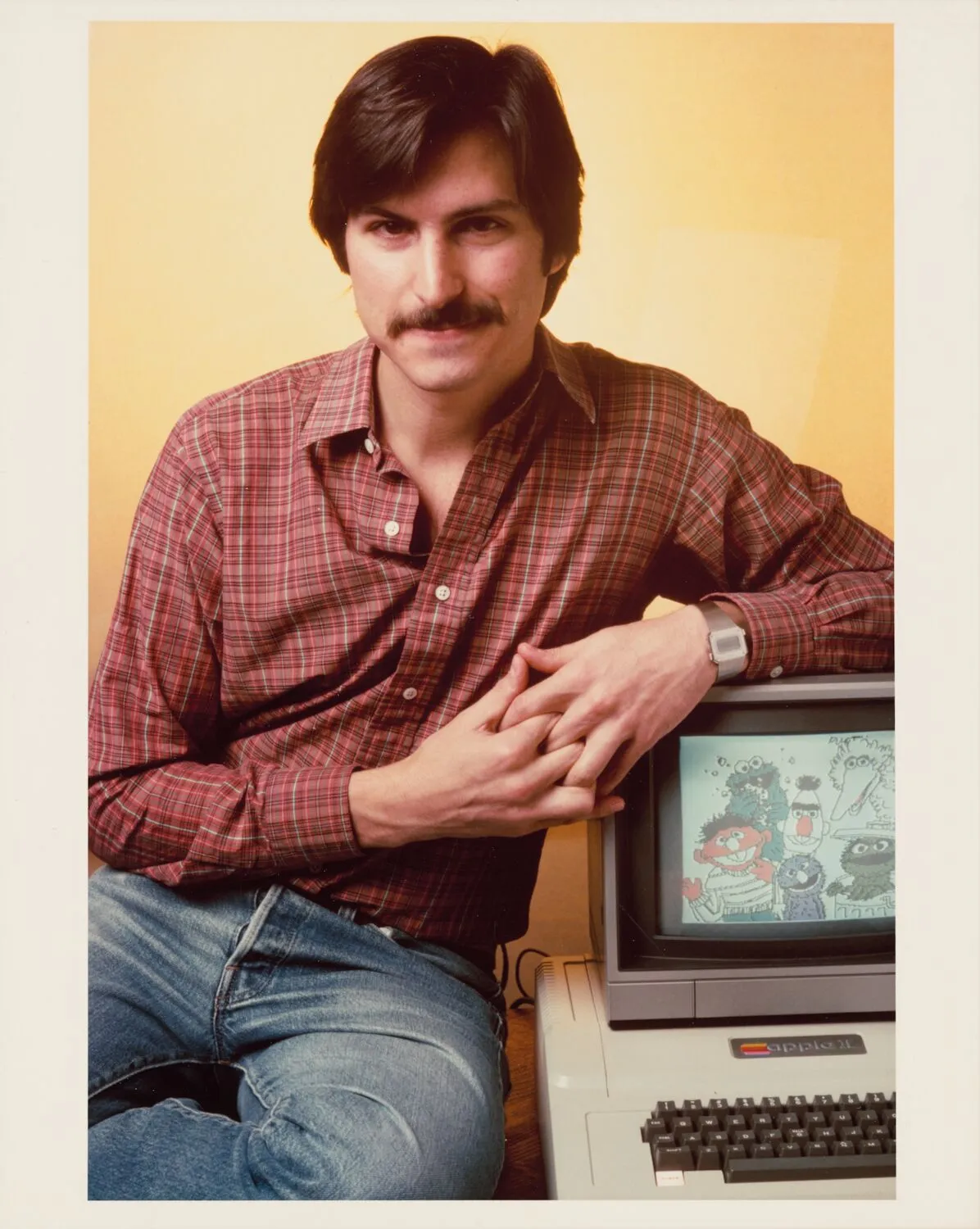 Photo: Steve Jobs, via book.stevejobsarchive.com
Step Two: Make It About Them, Not You
Caesar never presented his actions as personal ambition. Everything he did was for the Roman people, who were suffering under corrupt senators and incompetent magistrates. He was just a reluctant servant of the public good, forced into action by circumstances beyond his control.
This is rebranding 101: shift the narrative from what you want to what your audience needs. When Elon Musk bought Twitter, he didn't say "I want to own a social media platform." He said he was saving free speech. When private equity firms gut companies, they don't say "We're extracting maximum value." They say they're "creating efficiencies" and "unlocking potential."
 Photo: Elon Musk, via thumbs.dreamstime.com
Caesar understood that people don't support your ambitions — they support solutions to their problems. So he made his coup into their rescue.
Step Three: Rebrand Your Opposition
Caesar's enemies weren't defenders of the Republic — they were corrupt oligarchs protecting their privileges. They weren't patriots — they were obstructionists preventing necessary reforms. They weren't legitimate political opponents — they were enemies of the people.
This rhetorical strategy is everywhere in modern politics and business. Competitors aren't just different — they're outdated, corrupt, or dangerous. Regulatory agencies aren't protecting the public — they're captured by special interests. Journalists asking tough questions aren't doing their job — they're spreading "fake news."
Caesar pioneered the art of making your opponents defend the status quo while you represent change, even when you're the one with the most power.
Step Four: Visual Storytelling
Caesar reformed the calendar. This sounds like a minor administrative change, but it was brilliant PR. Every time Romans looked at a date, they were reminded that Caesar had fixed something that was broken. The old calendar was a mess — priests had been manipulating it for political purposes for decades. Caesar's calendar actually worked.
He also built monuments, held games, and staged elaborate public ceremonies that reinforced his image as a generous leader who cared about ordinary Romans. When people saw Caesar's name carved in stone or watched gladiators fight in arenas he'd built, they weren't just being entertained — they were being sold a story about who Caesar was and what he represented.
Modern leaders do this with corporate campuses, naming rights, and carefully orchestrated public appearances. When you see a billionaire's name on a hospital wing or a university building, you're looking at the same strategy Caesar used: associating your personal brand with public benefits.
Step Five: Timing Is Everything
Caesar didn't try to rebrand himself while he was crossing the Rubicon. He'd been building his reputation for years through military victories in Gaul, public works projects in Rome, and strategic alliances with popular politicians like Pompey and Crassus.
By the time he made his move, he wasn't just another ambitious general — he was the conqueror of Gaul, the defender of Roman interests, the man who'd brought wealth and glory to the Republic. His coup wasn't the first thing people thought of when they heard his name.
Modern rebranding campaigns fail when companies try to change their image while they're in crisis mode. The successful ones start building their new narrative long before they need it.
The Playbook That Never Gets Old
When Mark Zuckerberg testified before Congress about Facebook's privacy practices, he didn't defend data collection — he talked about connecting people and building communities. When oil companies fund climate research, they're not admitting fault — they're demonstrating leadership on environmental issues.
These aren't accidents or coincidences. They're applications of strategies Caesar perfected 2,000 years ago: control your own story, make it about your audience's needs, discredit your opposition, use visual symbols to reinforce your message, and start building your new reputation before you need it.
Caesar's rebranding campaign worked because he understood something that modern PR professionals sometimes forget: people don't just buy products or support politicians — they buy stories about who they are and what they believe. Caesar sold Romans a story about themselves as a people who deserved strong leadership and effective government, even if it meant giving up some of their traditional freedoms.
The specific tactics change with technology and media, but the psychology stays the same. Whether you're a Roman general explaining why you had to overthrow the Republic or a tech CEO explaining why your company had to lay off 20,000 people, you're appealing to the same human need: the need to believe that powerful people are using their power for good reasons.
Caesar's greatest insight wasn't military or political — it was psychological. He understood that people will accept almost anything if you can convince them it's what they wanted all along.