When Trade Secrets Actually Stayed Secret: China's 500-Year Silk Monopoly

When Trade Secrets Actually Stayed Secret: China's 500-Year Silk Monopoly
Every tech company thinks they've cracked the code on protecting trade secrets. They've got NDAs, non-competes, and armies of lawyers ready to sue anyone who so much as thinks about their proprietary algorithms. But here's the thing: most of these "revolutionary" approaches to IP protection would have been laughably primitive to a Han Dynasty bureaucrat.
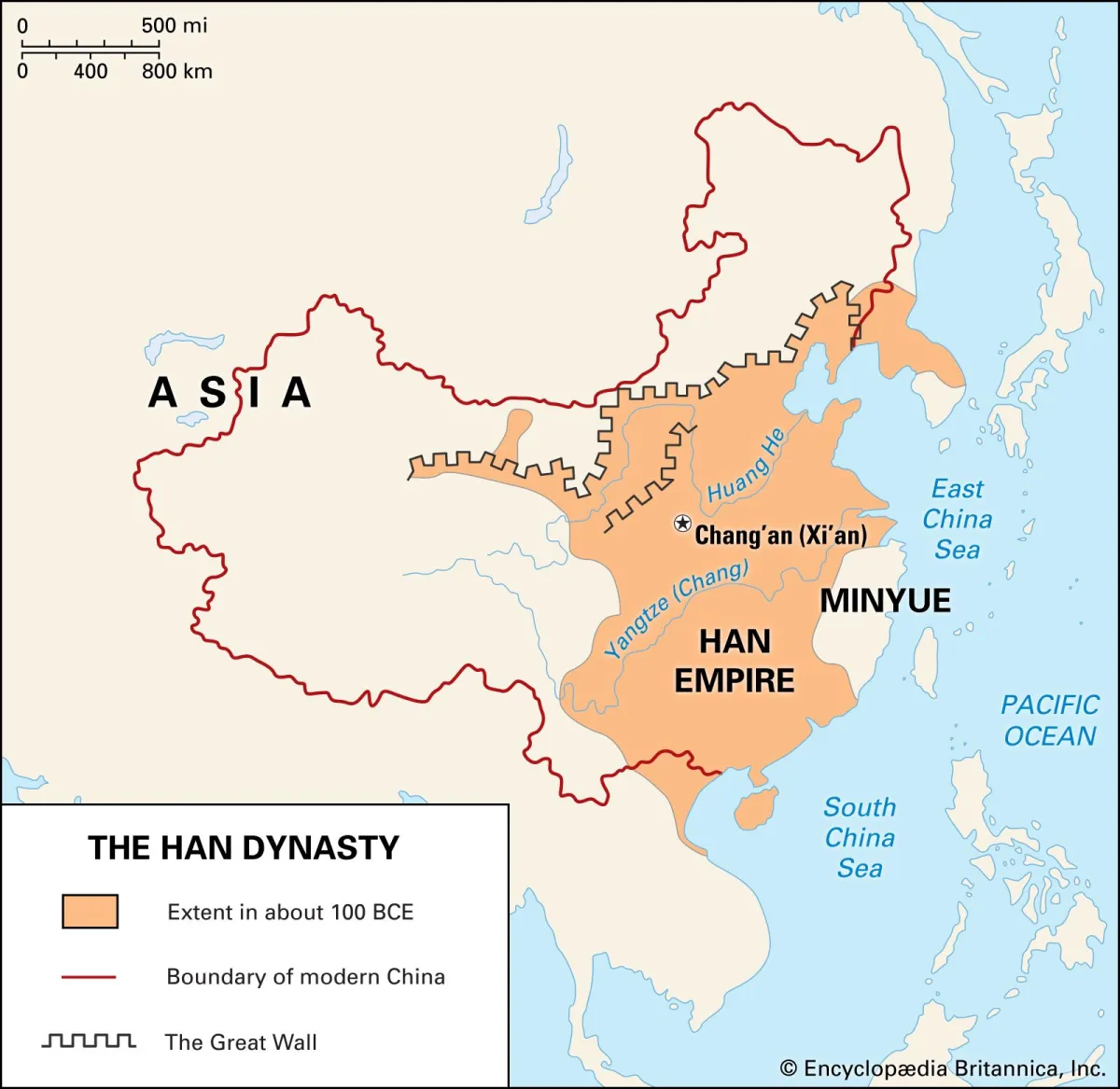 Photo: Han Dynasty, via cdn.britannica.com
For roughly 500 years, from around 200 BC to 300 AD, China maintained the most successful trade secret operation in human history. The secret? How to make silk. The punishment for revealing it? Death. The result? A global monopoly so complete that silk was literally worth its weight in gold in Roman markets, and Chinese merchants could name their price for what Europeans called "the fabric of the gods."
The Economics of Impossibility
The numbers are staggering. At the height of the Silk Road trade, a pound of Chinese silk could buy a Roman villa. The markup wasn't just substantial—it was essentially infinite, since nobody else on Earth knew how to produce the stuff. From a business perspective, the Han Dynasty had achieved what every modern corporation dreams of: a product with zero competition and unlimited pricing power.
 Photo: Silk Road, via s-i.huffpost.com
But maintaining that monopoly required more than just keeping a recipe secret. It demanded building an entire civilization around the protection of a single piece of intellectual property.
The Chinese approach was comprehensive in a way that makes modern corporate security look amateur. First, they made silk production a state monopoly, meaning private citizens couldn't legally produce it even if they knew how. Second, they concentrated production in specific regions that could be easily monitored and controlled. Third, they created cultural and religious taboos around revealing the process to foreigners.
Most importantly, they made the secret inseparable from Chinese identity itself. Silk wasn't just a product—it was proof of Chinese civilization's superiority over the barbarian nations who had to beg for scraps of fabric.
The Death Penalty as Non-Compete Clause
While Silicon Valley companies worry about employees jumping ship to competitors, Han Dynasty China took a more direct approach: anyone caught smuggling silkworm eggs or revealing production techniques to foreigners faced execution. Not just fines. Not just lawsuits. Death.
This wasn't empty posturing. Chinese records document multiple executions of silk smugglers, and the threat was credible enough that it actually worked as a deterrent. Compare this to modern non-compete agreements, which are often unenforceable and routinely ignored. When the penalty for breaking your NDA is a potential death sentence, people tend to take their confidentiality obligations more seriously.
The Chinese also understood something that modern companies often miss: the most dangerous leaks come from people who think they're helping. Many of history's greatest industrial espionage cases involved well-meaning employees who didn't realize they were giving away crown jewels. China solved this by making silk production a matter of national security, not just corporate policy.
Geography as Firewall
The Han Dynasty also had an advantage that no modern company can replicate: they could use geography as a natural firewall. Silk production was concentrated in regions that were weeks of dangerous travel from any foreign border. Even if someone managed to steal silkworm eggs, they had to transport live insects across thousands of miles of desert, mountains, and hostile territory.
This created multiple failure points for potential thieves. The eggs might die en route. The smuggler might be caught at any of dozens of checkpoints. Even if they made it out of China, they still needed to figure out the complex process of silk production without any instruction manual.
Modern companies try to recreate this isolation through compartmentalization—making sure no single employee knows the complete process. But physical distance provided a level of security that organizational charts can't match.
The Cultural Moat
Perhaps most cleverly, the Chinese built cultural barriers that made silk secrets self-protecting. They promoted the idea that silk production was inherently tied to Chinese virtue and wisdom—that only people raised in Chinese civilization could truly understand the process. This wasn't just propaganda; it was strategic positioning that made potential customers less likely to seek alternatives.
Why would Roman nobles want inferior barbarian imitations when they could have the genuine Chinese article? The mystique became part of the value proposition. Chinese merchants weren't just selling fabric; they were selling access to ancient wisdom and sophisticated culture.
This is something modern luxury brands understand instinctively. You don't buy a Rolex just for timekeeping accuracy—you buy it for the story, the heritage, the cultural cachet. China turned silk into the world's first luxury brand, complete with origin authentication and cultural storytelling.
When Monopolies End
Of course, nothing lasts forever. The Chinese silk monopoly eventually cracked, not through corporate espionage or competitive pressure, but through good old-fashioned human nature. According to legend, a Chinese princess smuggled silkworm eggs to Central Asia by hiding them in her elaborate headdress when she married a foreign prince.
Whether that specific story is true doesn't matter. What matters is that it illustrates the fundamental weakness in any trade secret strategy: people. You can build all the legal and technical barriers you want, but eventually, someone with access will have reasons to share the secret that outweigh your reasons for keeping it.
The Chinese silk monopoly lasted 500 years, which is roughly 499 years longer than most modern trade secrets survive. But it ended the same way they all do—with a human being making a human decision to prioritize something other than corporate loyalty.
The Modern Lesson
So what can today's companies learn from the world's most successful trade secret operation? First, that protecting intellectual property requires more than legal documents—it requires building entire systems, cultural and economic, around the secret. Second, that the most effective protection comes from making the secret inseparable from the people and place that created it.
Most importantly, it shows that even the most sophisticated protection schemes are ultimately temporary. The Chinese approach worked for centuries, but it still failed eventually. The question isn't whether your trade secrets will leak—it's how long you can maintain your advantage while they're still secret.
Five thousand years later, human psychology hasn't changed. People still respond to incentives, still make decisions based on personal relationships, and still find ways around even the most comprehensive security systems. The Chinese understood this, which is why they built redundancy into their approach and used it to maintain one of history's most profitable monopolies.
Today's tech companies could learn something from that perspective. Your algorithm isn't going to stay secret forever. Your competitive advantage isn't going to last indefinitely. The question is: what are you building while you still have time?
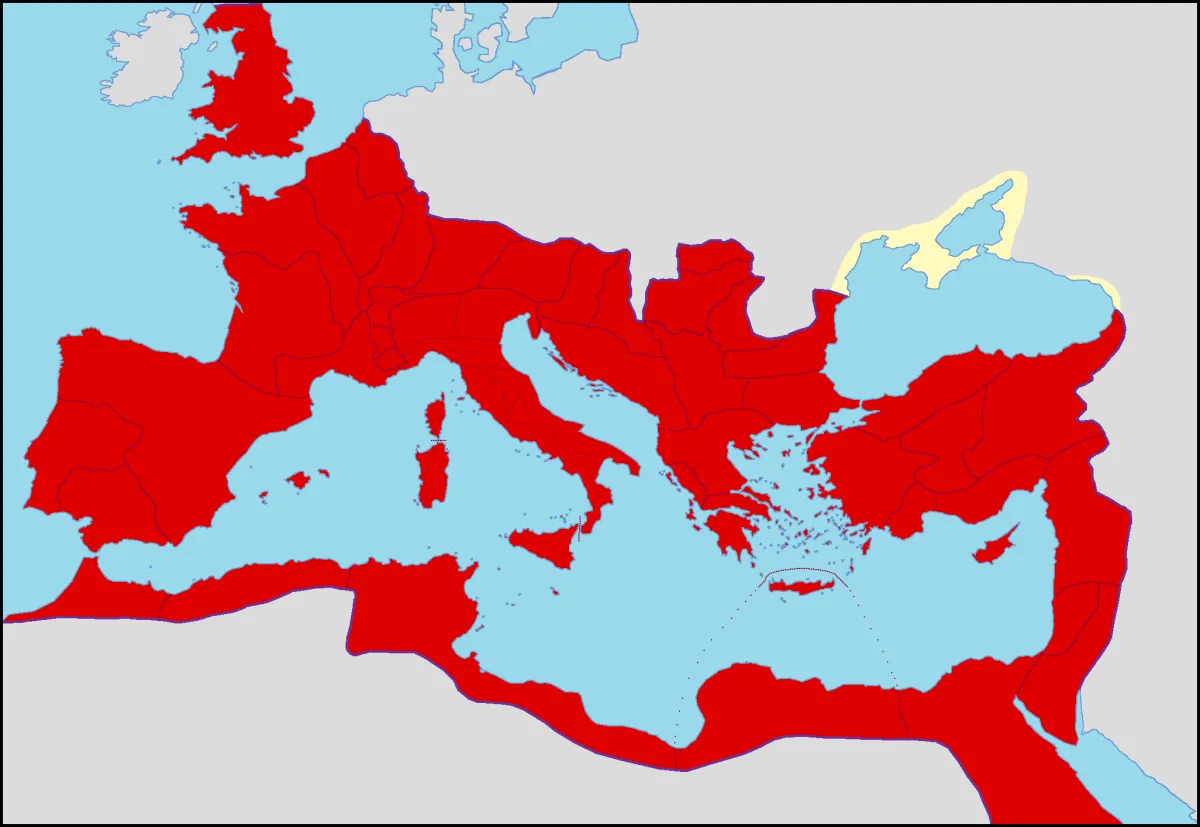 Photo: Roman Empire, via upload.wikimedia.org