Silence or Die: How Rome Perfected the Art of Shutting People Up
The Problem With Knowing Too Much
In 8 AD, the poet Ovid made a mistake. We don't know exactly what he saw or said, but it was enough to get him banished to a frozen wasteland on the edge of the Roman Empire, where he spent the rest of his life writing increasingly desperate letters begging to come home. Augustus Caesar called it "a poem and a mistake" — and whatever that mistake was, it was serious enough that Ovid never dared write about it directly, even in exile.
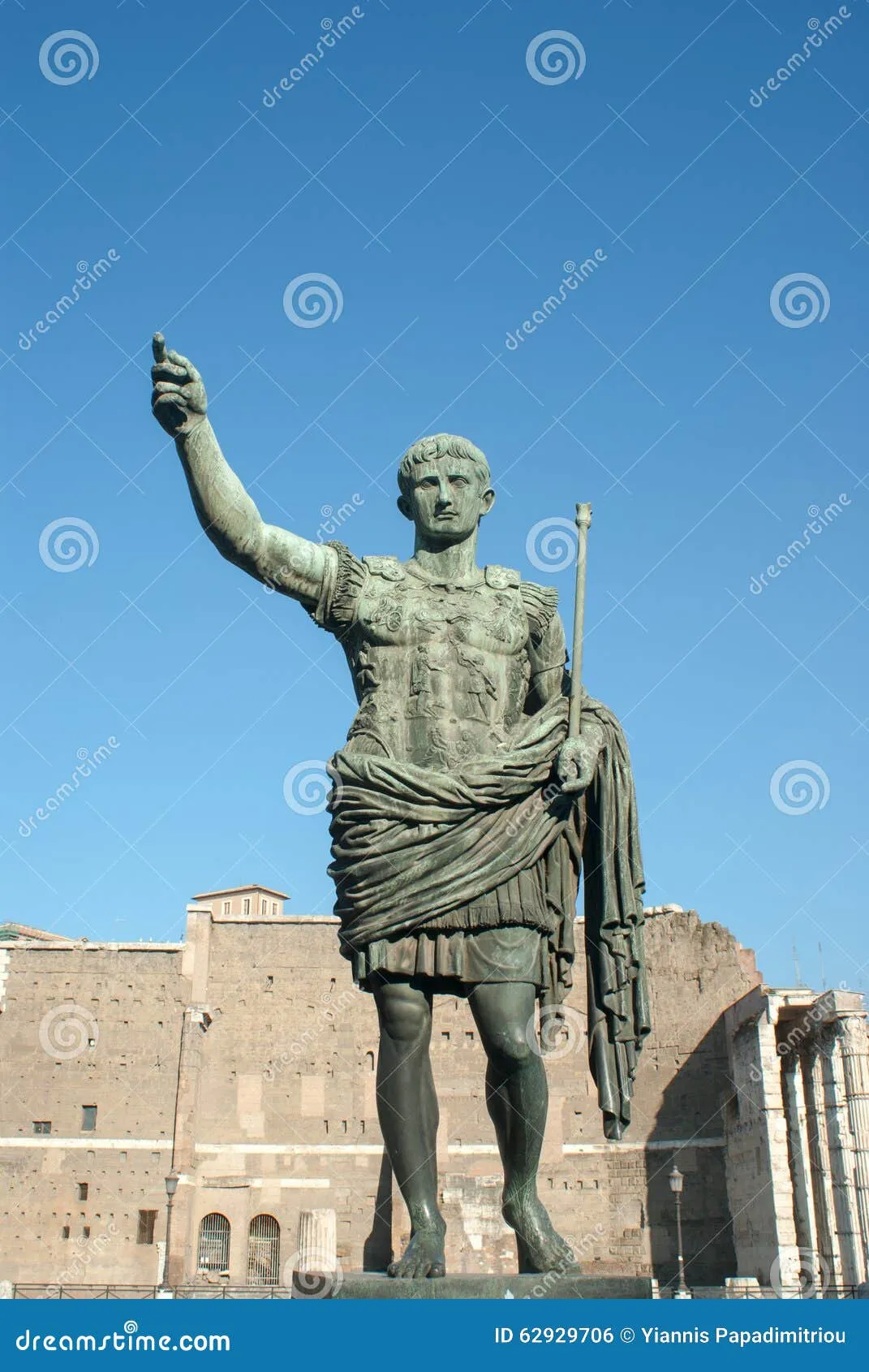 Photo: Augustus Caesar, via thumbs.dreamstime.com
This wasn't unusual. Rome had perfected the art of making inconvenient people disappear long before corporate legal departments existed.
When Silence Wasn't Enough
The Romans didn't just exile troublemakers — they invented damnatio memoriae, literally "condemnation of memory." When someone really crossed the line, they didn't just kill them. They erased them from history entirely. Statues were smashed, names were chiseled off monuments, and it became illegal to even mention their existence.
Emperor Commodus suffered this fate after his assassination. So did Sejanus, Tiberius's right-hand man who got too ambitious. The Roman Senate would formally vote to condemn someone's memory, and then an entire bureaucratic machine would swing into action to make sure that person had never existed.
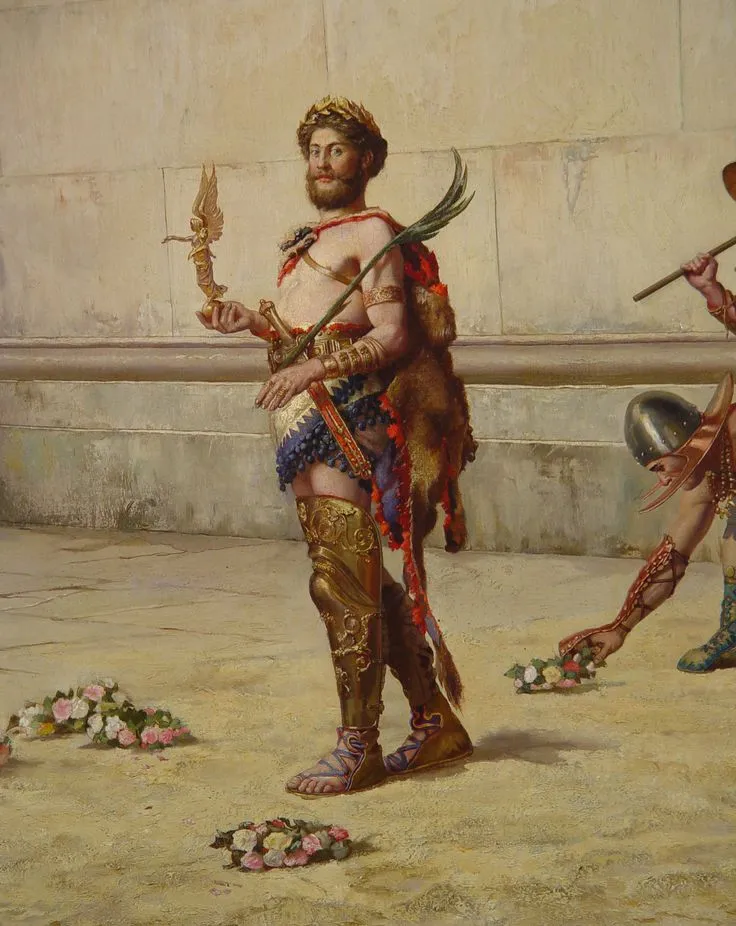 Photo: Emperor Commodus, via i.pinimg.com
Think about that for a second. This wasn't just about punishment — it was about controlling the narrative so completely that future generations wouldn't even know there was another side to the story.
The Economics of Keeping Quiet
Roman insiders faced a brutal calculation. Speak up about corruption, incompetence, or abuse, and you might end up like Marcus Flavius, whose crime was being too honest about military supply contracts. He was stripped of his citizenship and exiled to an island where he died in poverty.
Stay quiet, and you could end up like Pliny the Younger — wealthy, respected, with a literary career that lasted two thousand years. Pliny knew exactly what was happening under emperors like Domitian, but he kept his mouth shut until it was safe to talk. His letters are full of carefully worded hints about "difficult times" that he never quite explains.
The incentive structure was crystal clear: loyalty paid, and disloyalty destroyed you.
Modern Echoes of Ancient Tactics
When Karen Silkwood tried to expose safety violations at a plutonium plant in 1974, she died in a car crash while driving to meet with a New York Times reporter. When Chelsea Manning leaked military documents, she spent seven years in prison. When Edward Snowden revealed NSA surveillance programs, he had to flee to Russia to avoid prosecution.
 Photo: Edward Snowden, via guardianlv.com
The methods have gotten more sophisticated, but the playbook is identical. Step one: make the cost of speaking up higher than the cost of staying quiet. Step two: control the narrative about anyone who does speak up. Step three: make sure everyone else gets the message.
Modern corporations use NDAs, non-compete clauses, and legal warfare instead of exile and damnatio memoriae. But the psychological effect is the same: most people decide it's not worth the risk.
Why Smart People Choose Silence
The Roman historian Tacitus wrote about the "rare happiness of times when we may think what we please and express what we think." He was writing during a brief period of relative freedom under Emperor Trajan, but he spent most of his career under emperors where thinking the wrong thing could get you killed.
Tacitus understood something that modern whistleblower protection laws miss: the problem isn't just legal retaliation. It's social isolation. When you speak up against powerful people, you don't just risk your job — you risk becoming a pariah among everyone who depends on those same powerful people for their livelihood.
Roman senators knew this. They watched colleagues disappear for asking uncomfortable questions, and they learned to ask safer ones. They weren't cowards — they were rational actors in a system that punished honesty and rewarded strategic blindness.
The Human Constant
We like to think that corporate retaliation against whistleblowers is a modern problem that can be solved with better laws and stronger institutions. But the Roman Empire had laws too. They had institutions. They even had formal protections for citizens against arbitrary punishment.
None of it mattered when powerful people decided someone knew too much.
The instinct to silence inconvenient voices isn't a bug in our economic or political systems — it's a feature of human nature. People in power have always understood that information is dangerous, and they've always been willing to destroy the messenger to protect themselves.
The specific tactics change with technology and legal systems. The underlying psychology never does. Augustus Caesar and every modern CEO who's ever buried an employee with legal bills are operating from the same playbook, because they're responding to the same fundamental human fear: that the truth about what they've done will cost them everything they've built.
That's why the most effective way to silence people has never been violence or legal action. It's been social proof. When everyone around you knows that speaking up destroys careers and staying quiet preserves them, most people make the rational choice.
Rome understood this 2,000 years ago. We're still learning it today.