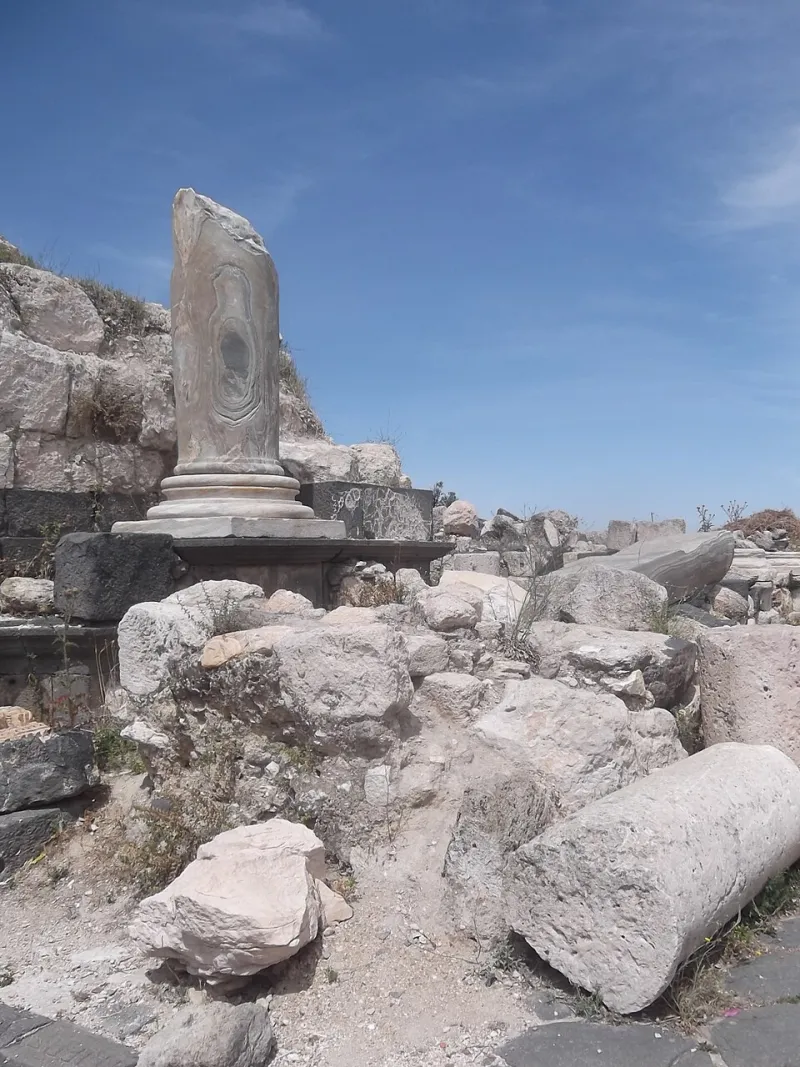
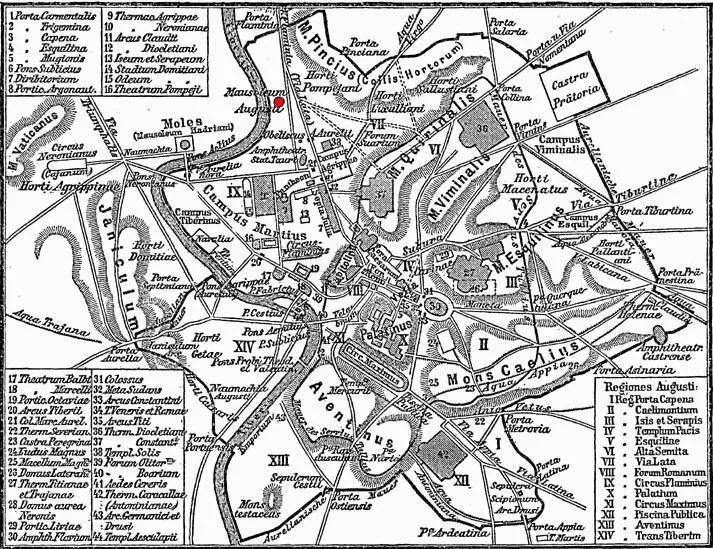
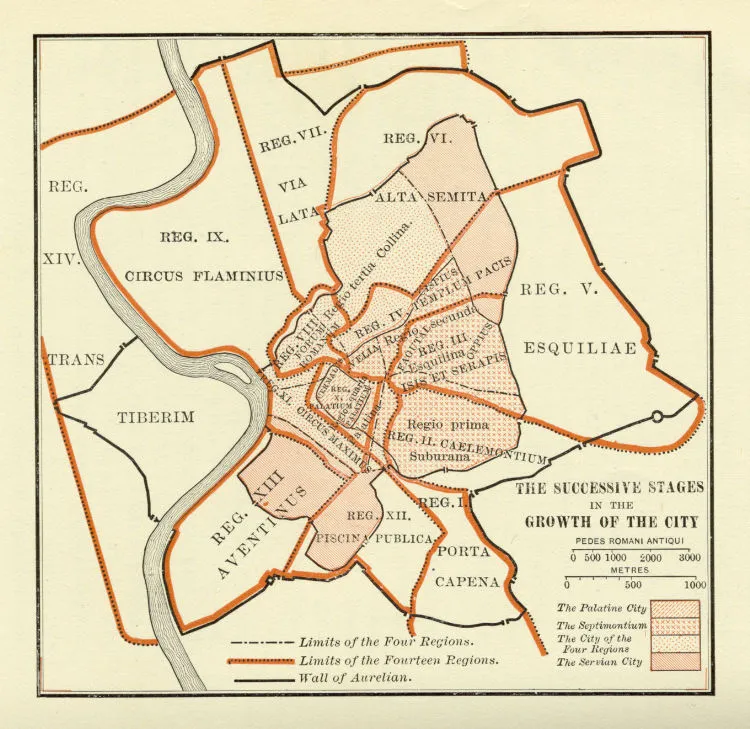
Rome Invented the War Game: How Ancient Bureaucrats Ran Disaster Scenarios That Put Modern Risk Management to Shame

Every time the Federal Reserve runs a bank stress test or FEMA practices hurricane response, they're following a playbook written by Roman bureaucrats who never heard the term "risk management" but understood that empires survive by constantly imagining their own destruction.
The Romans didn't just build roads and aqueducts — they built the first systematic approach to institutional paranoia. While other civilizations assumed good times would continue forever, Roman administrators spent their days calculating exactly how many different ways everything could go catastrophically wrong.
It's the same psychology that drives modern disaster planning, and it's why Rome lasted 1,000 years while flashier empires collapsed in decades.
The Grain Count: Rome's First Stress Test
Roman administrators tracked grain supplies with the obsessive detail of modern financial regulators monitoring bank reserves. They didn't just count what they had — they modeled what would happen if harvests failed in Egypt, if shipping routes got disrupted, if population growth exceeded projections, or if multiple crises hit simultaneously.
These weren't casual estimates. Roman bureaucrats created detailed spreadsheets (on wax tablets) showing exactly how many days the city could survive under different disaster scenarios. They calculated minimum calorie requirements for different social classes, mapped backup supply routes from alternative provinces, and maintained strategic reserves that could handle multi-year emergencies.
The psychological insight was brilliant: they understood that people panic when they don't know how bad things can get, but they make rational decisions when someone has already done the math on worst-case scenarios.
Modern cities run the exact same calculations for everything from food security to electrical grid failures. The methodology hasn't changed because human psychology hasn't changed. People need to know that someone with spreadsheets is thinking about the unthinkable.
Military Supply Chain Modeling
Roman generals didn't just plan battles — they ran logistics simulations that would impress modern defense contractors. Before any major campaign, they modeled supply chains under different failure scenarios: what happens if local suppliers can't deliver, if weather delays shipments, if enemy action disrupts transportation, or if demand exceeds projections.
They calculated exactly how much food, equipment, and medical supplies each legion needed per day, mapped out backup routes for different contingencies, and maintained detailed inventories of what was available where. More importantly, they stress-tested these plans by running smaller exercises that deliberately introduced failures to see how the system responded.
This wasn't just military planning — it was the first systematic approach to complex project risk management. Modern companies use the exact same methodology for everything from product launches to merger integrations. The Romans figured out that the difference between successful and failed projects isn't avoiding problems — it's having already thought through what to do when problems inevitably occur.
Provincial Revenue Projections: Ancient Economic Modeling
Roman tax administrators created economic models that tracked provincial revenues under different scenarios: good harvests versus bad harvests, peaceful years versus military campaigns, normal trade versus disrupted commerce. They didn't just budget for expected income — they modeled what the empire could afford if multiple provinces underperformed simultaneously.
These projections weren't just accounting exercises. Roman administrators used them to make strategic decisions about which provinces needed additional investment, which regions were becoming too dependent on single industries, and where the empire was vulnerable to economic shocks.
The psychological sophistication was remarkable. They understood that economic confidence is fragile, and that people make irrational decisions when they think the government doesn't have a plan for hard times. By constantly modeling and preparing for economic downturns, they created the institutional credibility that kept the system stable during actual crises.
Modern governments do the exact same thing with GDP projections, deficit modeling, and economic scenario planning. The Congressional Budget Office exists because Roman administrators figured out that democracies need someone constantly calculating what happens if everything goes wrong.
The Roman Approach to Black Swan Events
The most sophisticated part of Roman risk management was their approach to unprecedented disasters — what modern analysts call "black swan events." Roman administrators didn't just plan for problems they'd seen before; they systematically imagined problems that had never happened.
They ran scenarios for simultaneous rebellions in multiple provinces, complete loss of communication with distant territories, massive natural disasters affecting core infrastructure, and coordinated attacks by multiple enemies. More importantly, they developed response protocols for situations where normal command structures might break down entirely.
This required a level of institutional humility that most organizations struggle with today. Roman administrators had to constantly imagine scenarios where their own expertise would be useless and their normal decision-making processes would fail. They built redundancy and flexibility into their systems specifically for situations they hoped would never occur.
Modern military and corporate planning uses the same approach. The Pentagon runs war games for conflicts that have never happened, and companies do scenario planning for market conditions that don't currently exist. The methodology is identical because the psychology is identical: institutions survive by constantly imagining their own failure.
Why Stress Testing Works: The Psychology of Institutional Confidence
The Roman approach to risk management worked because it solved a fundamental psychological problem: how do you maintain public confidence in institutions during actual crises? The answer is that people trust institutions that have clearly thought through worst-case scenarios and have concrete plans for handling them.
When food shortages hit Rome, citizens didn't panic because they knew administrators had calculated exactly how long supplies would last and had already activated backup plans. When military campaigns went badly, the public didn't lose confidence because everyone knew the generals had modeled different failure scenarios and had contingency strategies ready.
This is the same psychology that makes modern financial markets trust banks that pass stress tests and makes voters trust governments that have detailed emergency response plans. People don't need guarantees that bad things won't happen — they need confidence that someone has already figured out what to do when bad things inevitably occur.
The Empires That Skipped the Stress Test
The civilizations we remember for spectacular collapses — the Aztec Empire, various Chinese dynasties, medieval kingdoms — were often more militarily powerful and economically prosperous than Rome at their peaks. What they lacked wasn't strength; it was systematic paranoia about their own vulnerabilities.
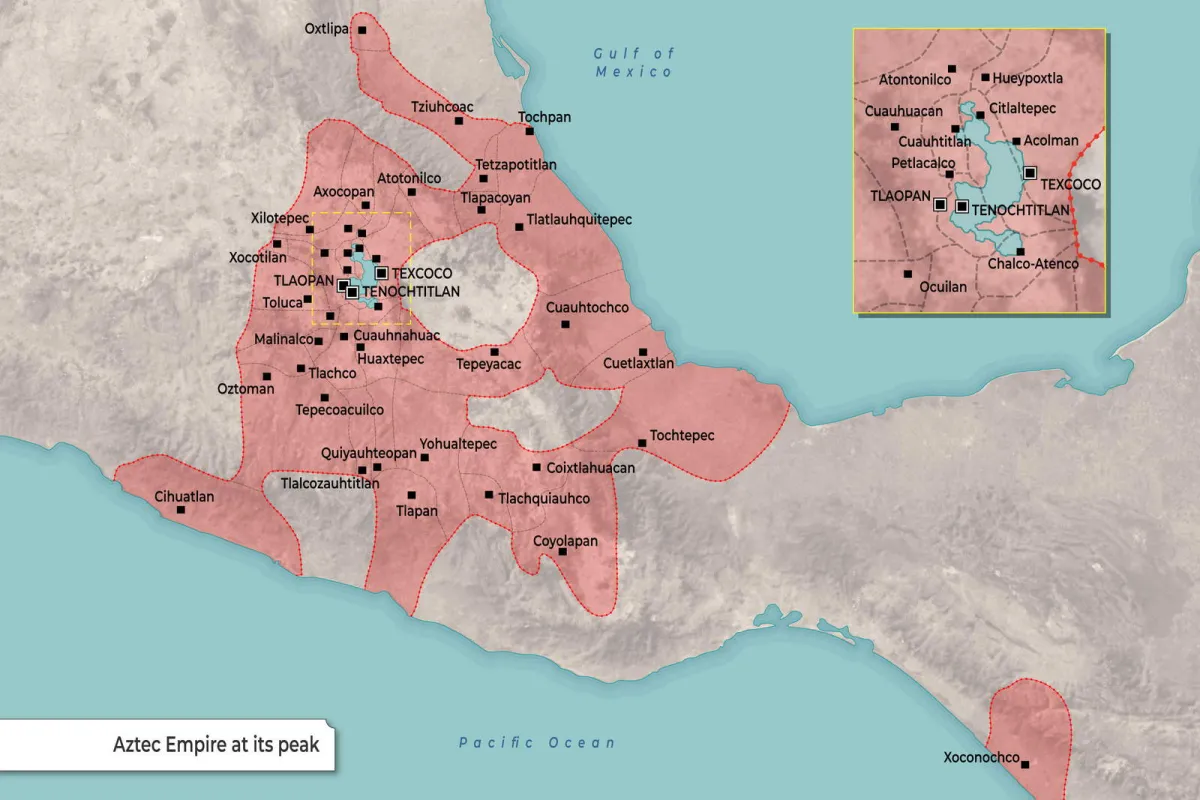 Photo: Aztec Empire, via cdn.thecollector.com
These empires assumed their success would continue indefinitely and didn't invest in the boring bureaucratic work of modeling failure scenarios. When unexpected crises hit, they had no institutional framework for response because no one had ever systematically thought through what to do if fundamental assumptions proved wrong.
Rome survived not because it was stronger than these other civilizations, but because Roman administrators spent centuries getting really good at imagining how everything could go wrong. They understood that the most dangerous assumption any institution can make is that current success predicts future stability.
The modern lesson is clear: whether you're running a company, a government, or just your own career, the most important question isn't "how do we succeed?" — it's "what do we do when our plan stops working?" The Romans figured out that institutions survive by constantly preparing for their own failure, and 2,000 years later, we're still using their playbook.