The Housing Fix That's Never Fixed Anything: Five Thousand Years of the Same Bad Interventions

Photo: لا روسا, CC BY-SA 4.0, via Wikimedia Commons
The Housing Fix That's Never Fixed Anything: Five Thousand Years of the Same Bad Interventions
If you want to feel genuinely hopeless about the American housing crisis, don't read the latest think-tank report. Read Livy.
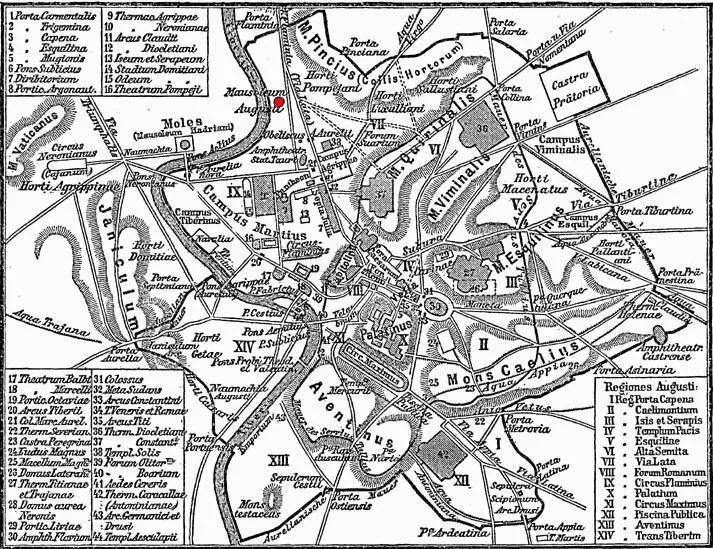
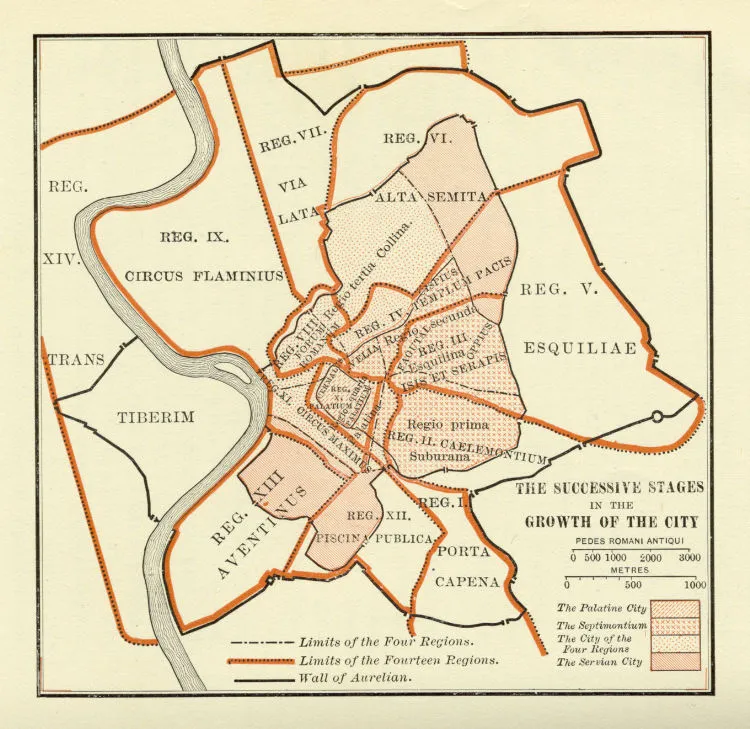
The Roman historian, writing around the first century BC, described an urban housing situation in Rome that would be familiar to anyone who's tried to rent an apartment in a major American city in the past decade: overcrowded multi-story buildings with absentee landlords, rents that consumed an enormous share of ordinary workers' income, chronic maintenance failures, and a political class that kept announcing solutions that never quite materialized. The Roman government tried rent pressure, public construction, and regulatory crackdowns. The problem persisted for centuries.
This is not a coincidence. And it's not because ancient Romans were uniquely bad at policy. It's because the political incentives around housing haven't changed in five thousand years, and they point consistently in the wrong direction.
The Insular Problem
Rome's housing stock for non-wealthy residents consisted largely of insulae — multi-story apartment blocks that ranged from merely uncomfortable to genuinely dangerous. Upper floors were cheaper, farther from the latrines, and more likely to collapse or catch fire. Landlords, operating through agents, collected rents on properties they rarely visited and maintained even less frequently.
Sound like any urban rental market you know?
The Roman government's response included periodic attempts to limit building heights (to reduce collapse risk), public construction of some housing, and occasional grain subsidies that effectively functioned as rental assistance by reducing what poor residents had to spend on food. None of it solved the underlying problem. The city's population kept growing. Land within the walls was finite. Landlords had pricing power and used it. The political class, many of whom were themselves major property owners, had obvious conflicts of interest in regulating the market aggressively.
By the time of the late empire, housing conditions in Rome's lower districts were, by most historical accounts, worse than they had been three centuries earlier — despite a long list of interventions that had been announced, celebrated, and largely forgotten.
Medieval London Does the Same Thing Slightly Differently
Jump forward about a thousand years to medieval London and the pattern repeats with period-appropriate variations.
The city's population growth in the twelfth and thirteenth centuries created intense pressure on housing stock inside the city walls. Rents rose. Subdivision of existing properties accelerated — rooms that had housed one family got partitioned to house two or three. The quality of construction deteriorated as demand allowed landlords to rent anything, regardless of condition.
The municipal and royal response included price-fixing attempts, regulations on subdivision, and periodic crackdowns on illegal construction outside the city walls. The Assize of Nuisance — a medieval legal mechanism for addressing property-related complaints — generated centuries of records showing the same disputes recurring generation after generation: inadequate drainage, structural encroachments, shared walls in disrepair, landlords who couldn't be compelled to fix anything.
The rent control attempts are particularly instructive. Medieval London tried to cap rents on certain categories of housing multiple times over several centuries. The consistent result was the same one economists document today: the regulated units became hard to find, landlords converted properties to uses that weren't covered by the cap, and the overall supply of affordable housing shrank rather than grew. This isn't modern economic theory retroactively applied to history. Contemporary records from medieval London describe exactly this dynamic, in terms that make clear the people living through it understood what was happening.
They just couldn't stop it.
American Urban Renewal and the Art of Making Things Worse
The United States in the mid-twentieth century had the resources, the political will, and the institutional capacity to genuinely address urban housing at scale. It largely chose not to — not through inaction, but through a specific set of active choices that followed the same historical template with remarkable fidelity.
The urban renewal programs of the 1950s and 1960s demolished enormous amounts of housing stock in American cities — much of it genuinely substandard, some of it not — and replaced it with a combination of public housing projects and cleared land that often sat vacant for years waiting for private development that never came. The net effect in many cities was a significant reduction in the total supply of low-income housing, displacement of communities that had been stable for generations, and the physical destruction of social networks that had been the actual support system for urban poor families.
The Robert Taylor Homes in Chicago. The Pruitt-Igoe complex in St. Louis, demolished just seventeen years after it opened. Entire neighborhoods in Boston, New York, and San Francisco cleared in the name of slum removal and rebuilt in ways that served developers and middle-class political constituencies rather than the people who had actually lived there.
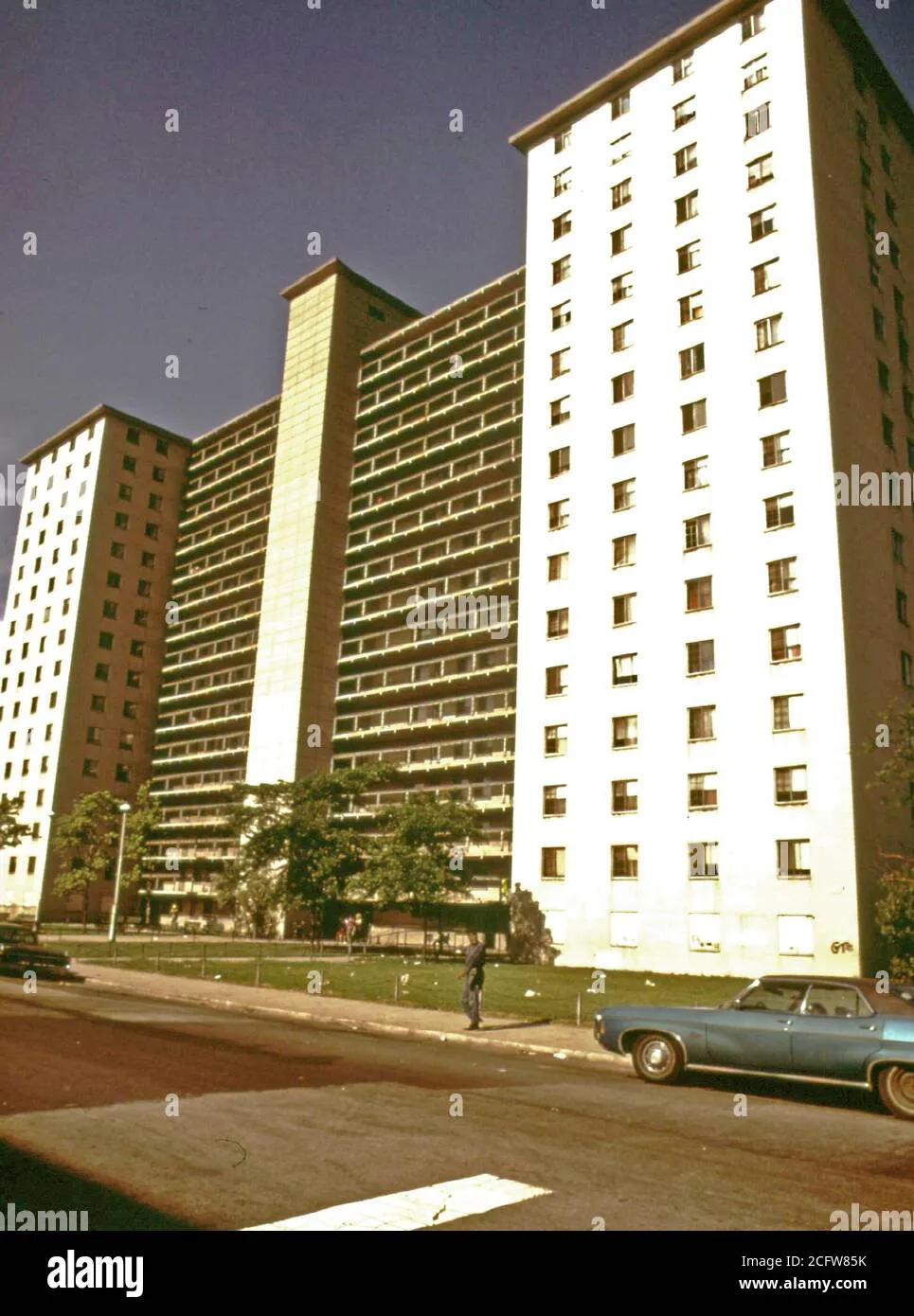 Photo: Robert Taylor Homes, via c8.alamy.com
This wasn't ignorance. By the early 1960s, critics including Jane Jacobs were documenting in real time exactly why these interventions were failing and who was bearing the cost. The political system heard these arguments and continued anyway, because the interventions were serving political purposes that had nothing to do with actually housing people.
 Photo: Jane Jacobs, via www.azuremagazine.com
The Incentive Problem That Explains Everything
Here's the through-line from Rome to medieval London to American urban renewal to whatever housing bill is currently stalled in your state legislature.
Housing dysfunction serves powerful interests. Existing homeowners benefit from scarcity — it keeps their asset values elevated. Developers benefit from controlled supply — it keeps their margins healthy. Local governments benefit from high property values — it expands the tax base. And the political class benefits from the appearance of addressing the problem without the disruption of actually solving it, because the people who vote in local elections are, disproportionately, the people who already own homes.
The interventions that get implemented — price caps, public housing, zoning tweaks — are the ones that don't fundamentally threaten these interests. The interventions that would actually work — dramatically increasing supply by removing barriers to construction, ending exclusionary zoning, taxing land value rather than improvements — consistently fail to gain political traction because they would redistribute the benefits of scarcity away from the people who currently hold them.
This isn't a modern insight. Roman senators were property owners. Medieval London's aldermen were property owners. The politicians who ran mid-century American urban renewal programs were, almost without exception, not living in the neighborhoods they were clearing.
What the Data Actually Says
Five thousand years of housing interventions produce a fairly consistent dataset. Price controls reduce supply. Public housing, when it's built and maintained, helps the people it houses but rarely at sufficient scale to affect the broader market. Zoning regulations, intended to improve conditions, are systematically captured by existing owners and used to prevent competition.
The places that have made meaningful progress on housing affordability — Tokyo, Minneapolis to a smaller degree, parts of New Zealand — have done so by directly attacking supply constraints, not by managing the symptoms of scarcity.
But don't expect that lesson to travel quickly. Human psychology hasn't changed in five thousand years, and neither has the political math. The housing crisis will continue to be a crisis. The interventions will continue to be announced. And the historians of 3024 will find this pattern just as depressing as we find Rome's.