Rome Had a Homelessness Crisis. The Policy Responses Would Sound Familiar in Any City Council Chamber.
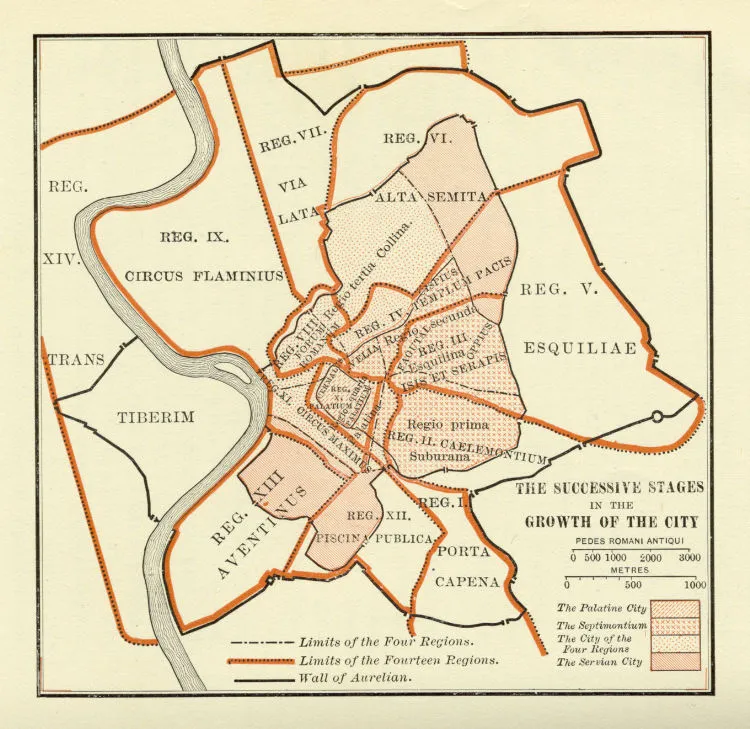
Photo: The original uploader was Filipvr at English Wikipedia., Public domain, via Wikimedia Commons
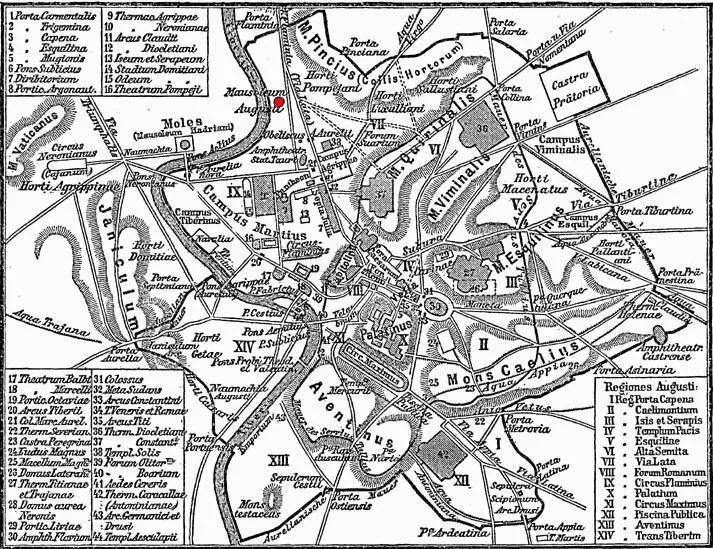
The next time your city council holds a five-hour meeting about a proposed supportive housing development and accomplishes nothing, take some comfort: this is an ancient tradition. Imperial Rome, the most powerful city in the Western world at its peak, packed somewhere between one and two million people into a geography roughly the size of modern Washington D.C. — without zoning laws, without building inspectors, without rent stabilization, and with a landlord class that had essentially unlimited power to extract money from people who had nowhere else to go.
The results were predictable. The policy responses were, too.
The Insulae: How Rome Built a Housing Crisis on Purpose
Most Romans who weren't wealthy didn't live in the gracious townhouses that show up in every documentary about ancient Rome. They lived in insulae — multi-story apartment blocks that were, by any modern standard, a public health emergency waiting to happen. And frequently did.
Insulae were built fast and cheap, often by speculators who had no intention of maintaining them. They went up five, six, sometimes seven stories using construction methods that engineers of the period knew were inadequate. Collapses were common enough that Roman writers treated them as a background feature of city life. Juvenal, writing in the early second century AD, complained that Rome's poor lived in constant fear of fire and falling buildings — and that the landlord would show up to collect rent regardless.
Fire was the other problem. These buildings had no running water above the ground floor. When one caught fire, and they caught fire regularly, the whole block could go. Crassus — yes, the same Crassus who bankrolled Julius Caesar — built one of Rome's first fortunes by maintaining a private fire brigade that would show up at a burning building and negotiate to buy it before extinguishing the flames. If the owner wouldn't sell at Crassus's price, the brigade watched it burn. This was legal.
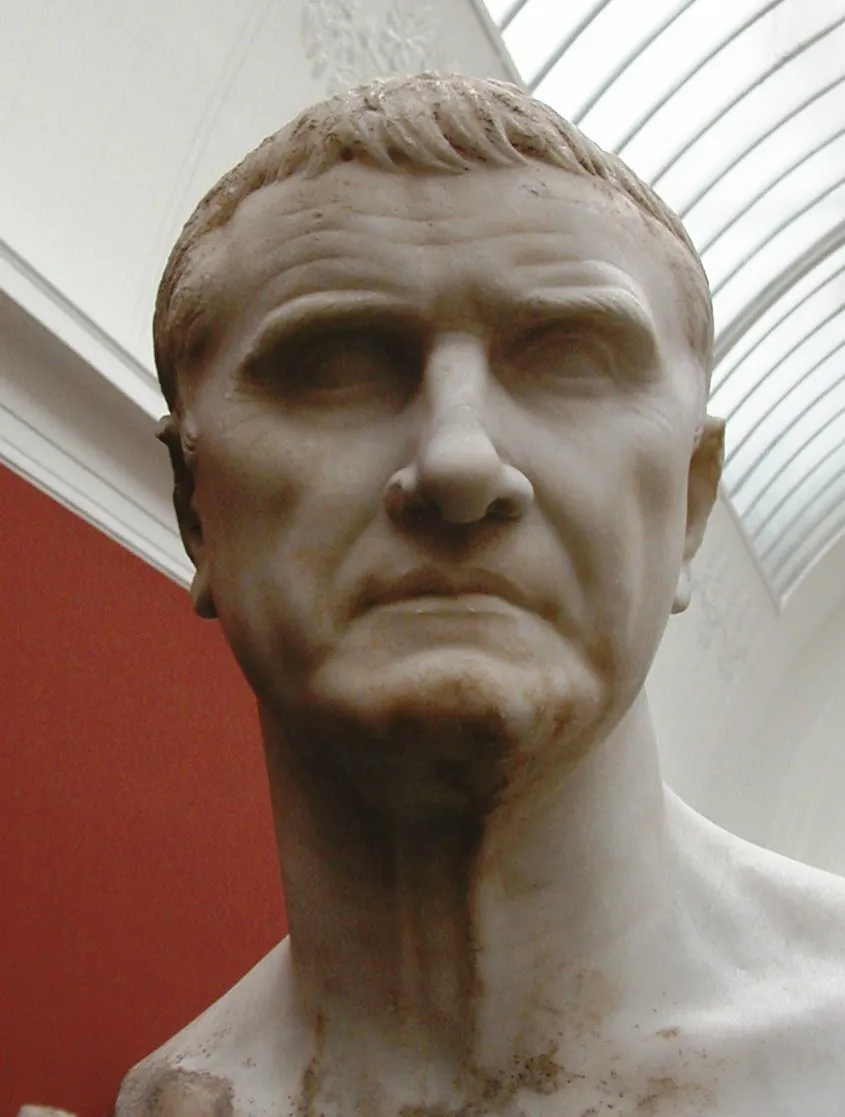 Photo: Crassus, via www.worldhistory.org
This is what housing looked like for most Romans. The city's poor paid high rents for dangerous units, had no legal recourse against landlords, and lived under constant threat of eviction or catastrophe. Sound familiar? It should.
The Grain Dole: Solving Housing With Food
Rome's most famous response to urban poverty wasn't a housing program. It was the grain dole — the annona, later the frumentatio — which eventually evolved into a system where a significant portion of the Roman urban poor received free or heavily subsidized grain distributions from the state.
At its peak, something like 200,000 Roman citizens were receiving free grain. Augustus, who reorganized the system, treated it as a political necessity rather than a social welfare program — which is a distinction without much difference from the recipient's perspective, but matters enormously for how it was designed and managed.
Here's what the grain dole was not: a solution to homelessness or housing insecurity. It was a caloric floor. It kept people alive and, critically, kept them from rioting — which was the political concern that actually motivated the policy. It did nothing about the insulae. It didn't regulate rents. It didn't improve construction standards. It didn't give anyone a safer or more stable place to live.
The modern analogue is something like SNAP benefits — the federal food assistance program — deployed in a city with an acute housing shortage. Necessary, probably. Sufficient, definitely not. And in Rome as in America, the political will to address food insecurity consistently outpaced the political will to address housing, because one is cheaper and the other involves stepping on powerful landlord interests.
Public Works as Housing Theater
After the Great Fire of 64 AD destroyed large portions of Rome, Nero rebuilt — and the rebuilding was, by ancient standards, genuinely reformist. He imposed wider streets, required fireproof construction materials, mandated porticoes, and limited building heights. This was real urban planning, the kind that Rome hadn't really had before.
It also displaced the poor people who had lived in the burned areas, replaced their neighborhoods with imperial monuments and the famous Domus Aurea — Nero's enormous private palace — and did essentially nothing for the insulae that hadn't burned. The reforms applied primarily to new construction in the rebuilt areas. The existing housing stock continued to collapse and catch fire.
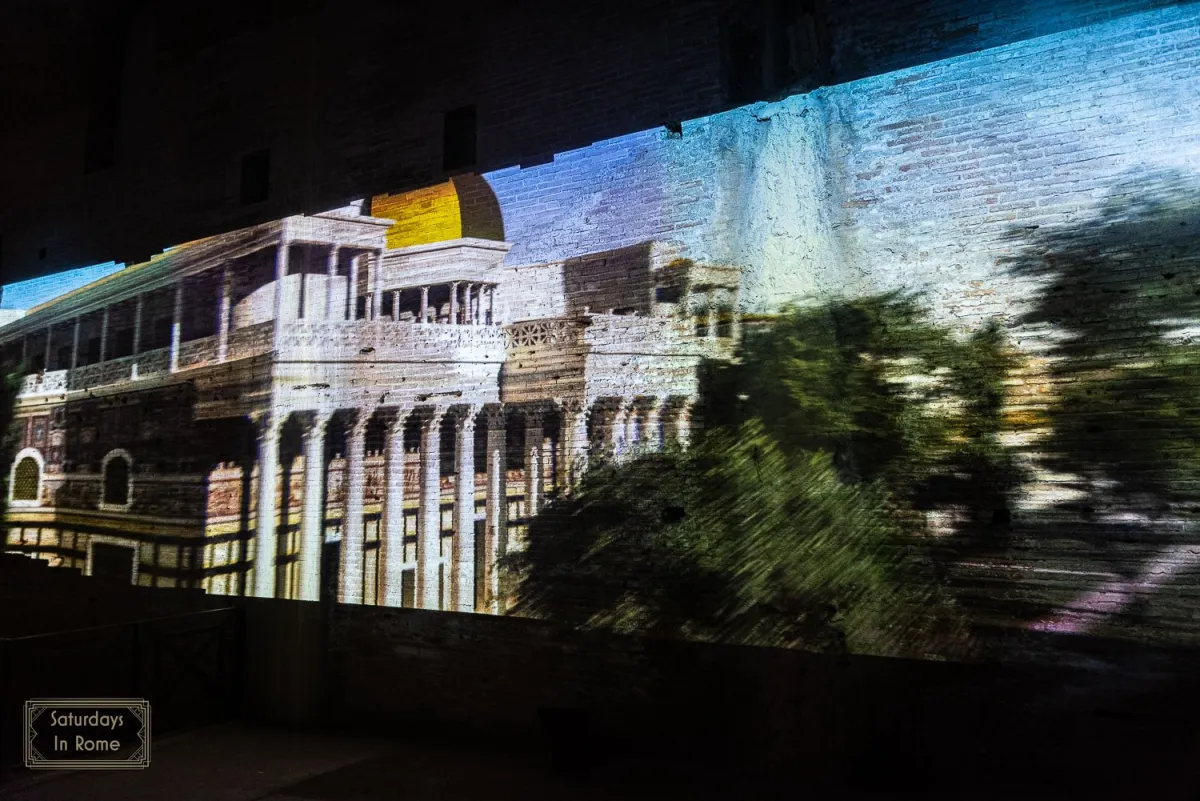 Photo: Domus Aurea, via images.squarespace-cdn.com
This pattern — a crisis creates political space for reform, the reform is real but partial, it primarily benefits people other than those most affected, and the underlying conditions continue — is not unique to Nero. It's the standard arc of housing policy responses in American cities too. A disaster prompts new building codes. The new codes apply to new construction. The existing stock is grandfathered. Ten years later, the oldest buildings are still the most dangerous, and the people who can afford nothing else are still living in them.
The Clients and the Patrons: Dependency as a Feature
One aspect of Roman housing policy that doesn't have a clean modern equivalent — but has echoes — is the client-patron system. Wealthy Romans maintained large networks of clients: people who depended on them for housing, food, legal protection, and social mobility. In exchange, clients showed up to support their patron politically, socially, and sometimes physically.
This system meant that a significant portion of Rome's urban poor were housed not in the market but in arrangements of personal dependency. Your patron might let you live in a building he owned at reduced rent, or provide other housing assistance, in exchange for your loyalty and your presence at his morning reception. It was informal, it was precarious, and it tied housing access directly to political alignment.
You could argue that modern housing voucher programs, when they're administered by entities with political interests, or that municipal housing allocation systems in cities with strong machine politics, produce versions of the same dynamic. Housing as a tool of dependency is not a Roman invention, but Rome scaled it impressively.
Five Thousand Years of the Same Meeting
Rome never solved its housing crisis. The city shrank dramatically after the Western Empire's collapse, which resolved the density problem in the most brutal way possible. At its peak, though, Rome cycled through every policy tool that modern American cities currently debate: income-based food subsidies as a substitute for housing stability, public works projects that created jobs without creating affordable units, building code reforms that helped future residents more than current ones, and political grandstanding that generated excellent speeches without generating housing.
The people who made these decisions weren't stupid. Many of them understood the problem clearly. The issue was the same one that makes housing policy hard in Los Angeles or New York or Austin today: the people who benefit most from the status quo — landlords, property owners, developers with political connections — have more consistent political power than the people who are being harmed by it.
Human psychology hasn't changed. Neither has the math on who shows up to city council meetings and who doesn't. Rome's housing crisis is a five-thousand-year-old data point that keeps pointing at the same conclusion: the policy tools exist. The political will to use them against the interests of the landlord class is what's always been in short supply.