The Empire That Stopped Looking: What Happens When Governments Make Poverty Invisible on Paper
There's a version of this story that gets told as a corruption story — cynical officials fudging numbers to protect their political patrons. That version is true, but it's incomplete. The more interesting version is about how governments convince themselves that not counting a problem is the same as not having one, and what happens to the institutions that believe that long enough.
Spoiler: it doesn't end well. It has never ended well. And yet here we are, watching the same argument play out in every budget cycle, housing debate, and poverty metric revision in living memory.
Rome's Urban Math Problem
The Roman census is one of history's great administrative achievements — and one of its great administrative frauds, depending on which period you're looking at and who was doing the counting.
Early Republican Rome ran its census as a genuine military and fiscal tool. You counted citizens to know how many men could be conscripted and how much tax revenue you could expect. The incentive was accuracy, because an inaccurate army estimate got your legions killed.
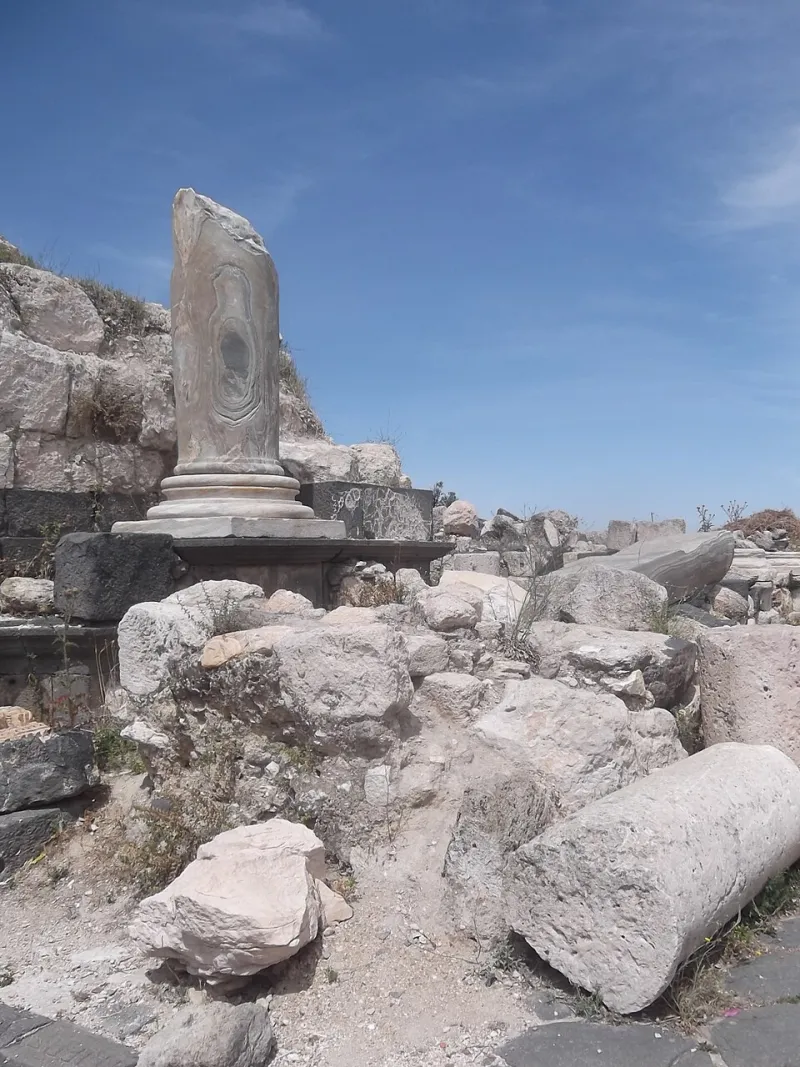
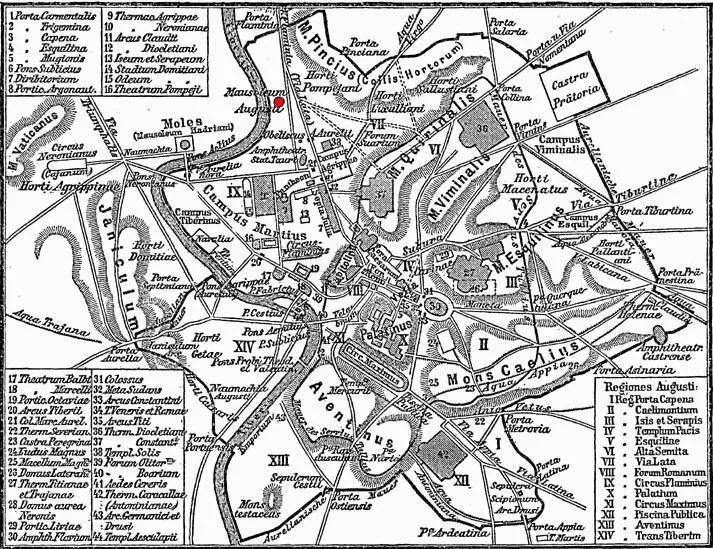
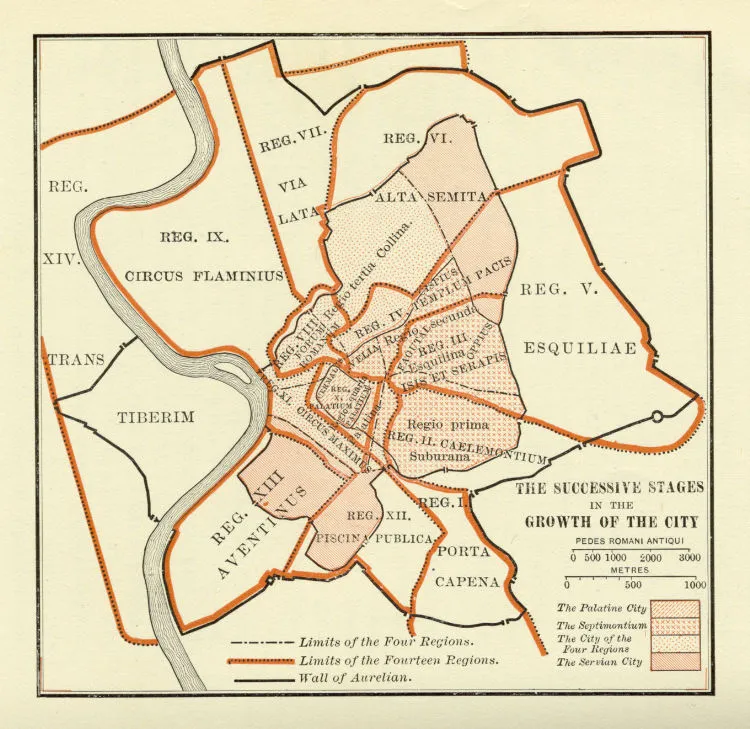
By the late Republic, the incentive structure had quietly flipped. Rome's urban population had exploded with landless migrants from the countryside — men dispossessed by the same slave-based agricultural economy that was making the senatorial class fabulously wealthy. These people crowded into the city's insulae, the rickety apartment blocks that made up most of Rome's residential real estate, and they were, politically speaking, inconvenient.
Counting them accurately meant acknowledging the scale of the displacement. It meant putting numbers to the population that was eligible for grain distributions, that needed water infrastructure, that was one bad harvest away from rioting. Roman census practices during this period developed a persistent habit of undercounting the urban poor while maintaining detailed records of property-owning citizens — the people whose numbers mattered for tax and military purposes.
The practical result was that Roman administrators were consistently working from population figures that understated urban density, understated grain distribution demand, and understated the infrastructure load on a city that was, in reality, vastly larger than the official count suggested. Policy got made on the wrong numbers. Infrastructure got built for a smaller city than actually existed. And when the grain supply hiccuped, the riots were always larger and more dangerous than anyone in the Senate had predicted — because nobody had accurate data on how many hungry people were actually there.
The Song Dynasty's Disappearing Peasants
China's Song Dynasty (960–1279 AD) produced some of the most sophisticated administrative machinery the premodern world ever saw. It also produced some of the most creative population accounting.
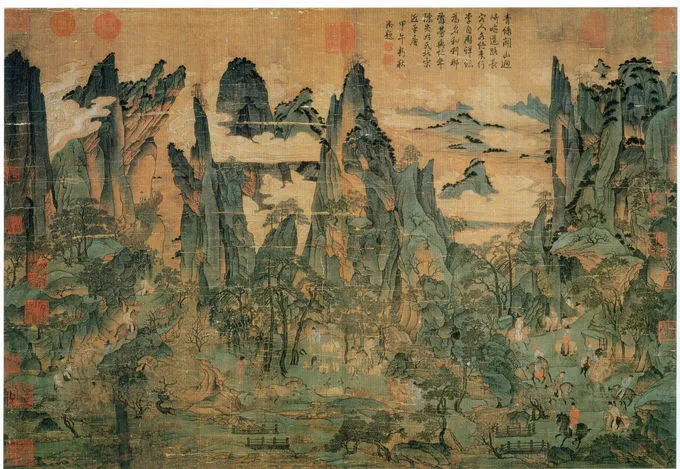 Photo: Song Dynasty, via textimgs.s3.amazonaws.com
The core problem was the household registration system, the huji, which formed the basis for tax assessment and corvée labor obligations. Peasant households that appeared on the register owed taxes and labor. Households that didn't appear on the register, technically speaking, didn't exist.
Local officials had a powerful personal incentive to keep registration numbers low: they were often responsible for delivering a fixed tax quota regardless of how many people actually lived in their jurisdiction. If the registered population was small, the per-household burden was higher but the administrative complexity was lower. If powerful local landowners — the people an official needed to keep happy — wanted their tenant farmers kept off the rolls, that could be arranged.
The result was a dynasty that had genuinely impressive bureaucratic capacity and genuinely terrible visibility into its own rural population. Estimates of the gap between actual population and registered population during various Song periods run into the tens of millions. The central government was making fiscal and military planning decisions based on headcounts that were, in some regions, less than half the real figure.
When the dynasty faced existential military pressure — first from the Jurchen Jin dynasty in the north, then from the Mongols — it discovered that its tax base and its manpower reserves were both substantially smaller than the official numbers suggested. The administrative fiction that had served local officials' short-term interests had eaten away at the empire's ability to respond to a genuine crisis.
The Pattern Underneath the Pattern
What makes these cases instructive isn't that officials lied. Officials lie; that's not news. What's instructive is the mechanism by which the lies became policy.
In both Rome and Song China, the undercounting wasn't a single decision made by a single bad actor. It was an accumulation of small, locally rational choices made by people who were responding to real incentive pressures. The Roman censor who softened the urban count wasn't thinking about infrastructure policy — he was thinking about not making powerful people uncomfortable. The Song district magistrate who kept tenant farmers off the register wasn't thinking about military readiness — he was thinking about his relationship with the local gentry.
The lie didn't start as a lie. It started as a rounding error, a category judgment, a decision about whose situation was complicated enough to warrant special handling. And then it became the baseline. And then it became the assumption that all subsequent policy was built on.
By the time the gap between the official number and reality became impossible to ignore, it was also impossible to correct without admitting how long the fiction had been running — which meant admitting how many decisions had been made on false premises, which meant admitting that the people who made those decisions had either been incompetent or complicit. Neither admission was politically survivable.
So the fiction persisted. Until it couldn't.
What This Looks Like Right Now
The US debates over poverty measurement, housing unit counts, and homeless population estimates aren't new phenomena in need of new explanations. They're the same phenomenon with updated terminology.
Point-in-time homeless counts are conducted in ways that most housing researchers acknowledge systematically undercount the actual population. Poverty lines haven't been meaningfully updated to reflect modern cost structures in decades. Housing shortage estimates vary by hundreds of thousands of units depending on whose methodology you use and who funded the study.
None of this is necessarily cynical in origin. Some of it is genuinely hard measurement. But the effect — policy made on numbers that are known to be soft, with no strong institutional incentive to harden them — is structurally identical to what Rome and the Song Dynasty were doing.
The historical record is pretty clear on where that leads. The numbers don't stay soft forever. Reality has a way of asserting itself, usually at the worst possible moment, usually at a scale that surprises everyone who was working from the official figures.
The cost of accurate data is always lower than the cost of eventually finding out how wrong the inaccurate data was. Rome could have told you that. The Song bureaucrats could have told you that.
They just didn't want to.