America's First Marketing Machine Ran on Pure Snake Oil
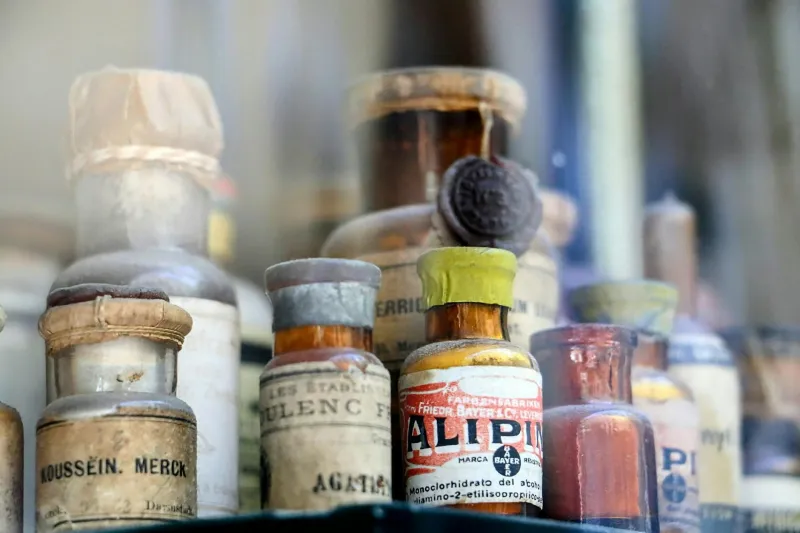
America's First Marketing Machine Ran on Pure Snake Oil
In 1885, if you opened any American newspaper, you'd find ads promising to cure everything from baldness to tuberculosis with mysterious elixirs containing "ancient Indian secrets" and "European scientific breakthroughs." The products were mostly worthless—alcohol, cocaine, and sugar water dressed up with fancy names and dramatic testimonials.
But the marketing? That was revolutionary.
Patent medicine hustlers didn't just sell fake cures. They accidentally invented modern American advertising, creating techniques so effective that we're still using them 150 years later. Every celebrity endorsement, every before-and-after photo, every money-back guarantee traces its DNA back to people like Dr. Kilmer, Lydia Pinkham, and the other pharmaceutical fraudsters who built America's first national brands.
The question isn't whether they were crooks—they obviously were. The question is whether today's wellness industry has moved far enough from their playbook to claim moral superiority.
The Celebrity Endorsement Gold Rush
Patent medicine sellers figured out something that wouldn't become conventional marketing wisdom until the television age: people buy from people they trust, and famous people seem more trustworthy.
Buffalo Bill Cody endorsed multiple patent medicines, lending his frontier credibility to products that promised to deliver his rugged vitality in convenient bottle form. Actress Sarah Bernhardt's testimonial for Dr. Hartman's Pe-ru-na appeared in newspapers across the country, suggesting that the secret to her dramatic energy could be purchased at any pharmacy.
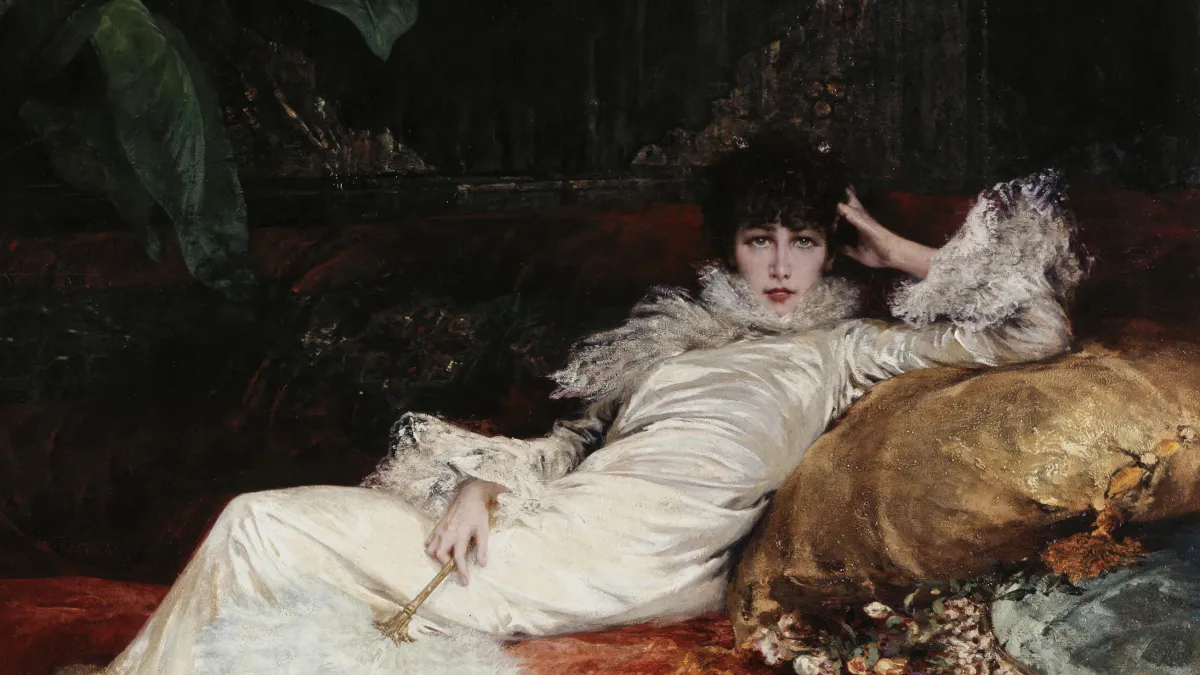 Photo: Sarah Bernhardt, via www.parismusees.paris.fr
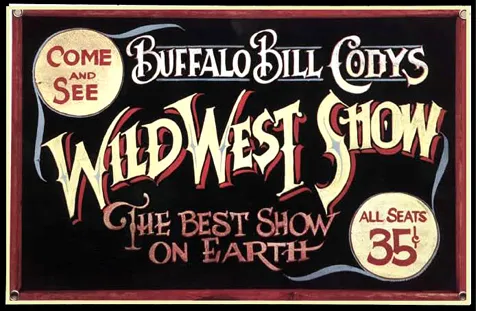 Photo: Buffalo Bill Cody, via www.richardbealblog.com
These weren't casual endorsements—they were carefully crafted marketing campaigns. Patent medicine companies paid celebrities substantial fees, provided them with scripted testimonials, and coordinated nationwide advertising blitzes around their endorsements.
Sound familiar? The only difference between Buffalo Bill selling nerve tonic and a Kardashian selling detox tea is the century on the calendar.
The Testimonial Factory
Patent medicine companies pioneered the industrial production of customer testimonials decades before anyone had heard of astroturfing or fake reviews.
Lydia Pinkham's Vegetable Compound became one of America's most successful patent medicines partly through an endless stream of letters from "satisfied customers" describing miraculous recoveries from female ailments. The company employed teams of writers to craft these testimonials, complete with specific medical details and emotional appeals.
They didn't just make up names and stories—they developed systematic approaches to testimonial creation. Different templates for different conditions, regional variations to match local speech patterns, and careful attention to making each story sound authentic while hitting key marketing messages.
The psychological insight was profound: people trust peer recommendations more than expert opinions. A letter from "Mrs. Johnson of Springfield" describing her recovery carried more weight than medical studies or doctor endorsements.
Before and After: The Visual Revolution
Patent medicine advertisers were among the first to understand the power of visual proof. Before-and-after photographs, dramatic illustrations of disease symptoms versus healthy recovery, and detailed anatomical diagrams became standard elements of their campaigns.
Dr. Scott's Electric Hair Brush promised to cure baldness, and their ads featured side-by-side images of men with sparse hair transformed into full-maned specimens of masculine vitality. Weight-loss tonics showed dramatic body transformations. Complexion treatments displayed clear skin replacing blemished faces.
These visual techniques were so effective that they became the template for every subsequent industry selling transformation—fitness programs, cosmetics, self-help courses, and modern wellness products.
The Money-Back Guarantee Revolution
One of patent medicine's most lasting innovations was the risk-free trial. Companies like Dr. Williams' Pink Pills for Pale People offered full refunds to unsatisfied customers, removing the financial risk from purchasing decisions.
This wasn't just customer service—it was sophisticated psychology. The guarantee made the initial purchase decision easier while betting that most customers wouldn't bother requesting refunds even if the product didn't work. Social embarrassment, bureaucratic friction, and the sunk-cost fallacy all worked in the company's favor.
The guarantee also served as implicit proof of product effectiveness. Why would a company offer refunds unless they were confident in their product? The policy itself became a marketing message.
Mass Media Infrastructure
Patent medicine companies didn't just use existing advertising channels—they created new ones. They were among the first businesses to advertise simultaneously in multiple cities, creating the infrastructure for national brand campaigns.
They sponsored traveling medicine shows, funded newspaper supplements, and even published their own magazines filled with health advice and product promotions. These weren't just advertisements—they were content marketing platforms that provided value while subtly promoting their products.
The economic impact was enormous. Patent medicine advertising revenue helped fund the expansion of American newspapers and magazines, subsidizing the growth of mass media infrastructure that other industries would later utilize.
The Regulatory Response
By the early 1900s, patent medicine frauds had become so egregious that they triggered America's first major consumer protection laws. The Pure Food and Drug Act of 1906 required honest labeling and prohibited the most dangerous ingredients.
But regulation didn't kill the marketing techniques—it just forced them to become more sophisticated. Companies learned to make implied claims rather than explicit promises, to focus on emotional benefits rather than medical ones, and to use scientific-sounding language without making specific medical claims.
These evolved techniques became the foundation of modern advertising regulation and the arms race between marketers and regulators that continues today.
The Wellness Mirror
Walk through any modern health food store or scroll through Instagram wellness influencers, and you'll see patent medicine marketing techniques everywhere. Celebrity endorsements, before-and-after transformations, customer testimonials, money-back guarantees, and carefully worded health claims that avoid FDA scrutiny.
The main differences are aesthetic—sleeker packaging, social media instead of newspapers, and "natural" ingredients instead of cocaine. But the psychological appeals are identical: transformation promises, social proof, risk-free trials, and the suggestion that this product contains secrets that conventional medicine doesn't want you to know.
Modern wellness companies have one advantage their patent medicine predecessors lacked: plausible deniability. They can claim they're selling "lifestyle products" rather than medicine, avoiding the regulatory scrutiny that eventually constrained the original snake oil salesmen.
The Honest Legacy
Patent medicine hustlers were fraudsters, but they were innovative fraudsters. They understood human psychology in ways that wouldn't be formally codified until decades later, and they built marketing infrastructure that legitimate businesses still rely on.
Their techniques work because they address real psychological needs: the desire for transformation, the comfort of social proof, and the appeal of risk-free solutions to complex problems. The fact that the original products were worthless doesn't invalidate the marketing insights.
The uncomfortable truth is that the line between patent medicine and modern wellness marketing isn't as clear as we'd like to believe. The techniques that sold worthless tonics in 1885 are still selling questionable supplements in 2024. Human psychology hasn't changed—we've just gotten better at disguising the snake oil.