Before At-Will: How Ancient Babylon Protected Workers Better Than Modern America
The World's First Employment Contract
In 1750 BC, a Babylonian construction worker named Enlil-bani had something most American workers today can only dream of: a contract that protected him from getting fired without cause.
Hammurabi's Code — carved into black stone and displayed in the center of Babylon — included laws 215 through 282, which established what might be the world's first comprehensive worker protection system. If your employer terminated your contract early without justification, they owed you compensation. If they failed to provide promised working conditions, you could demand damages. If they tried to cheat you out of wages, the penalty was severe.
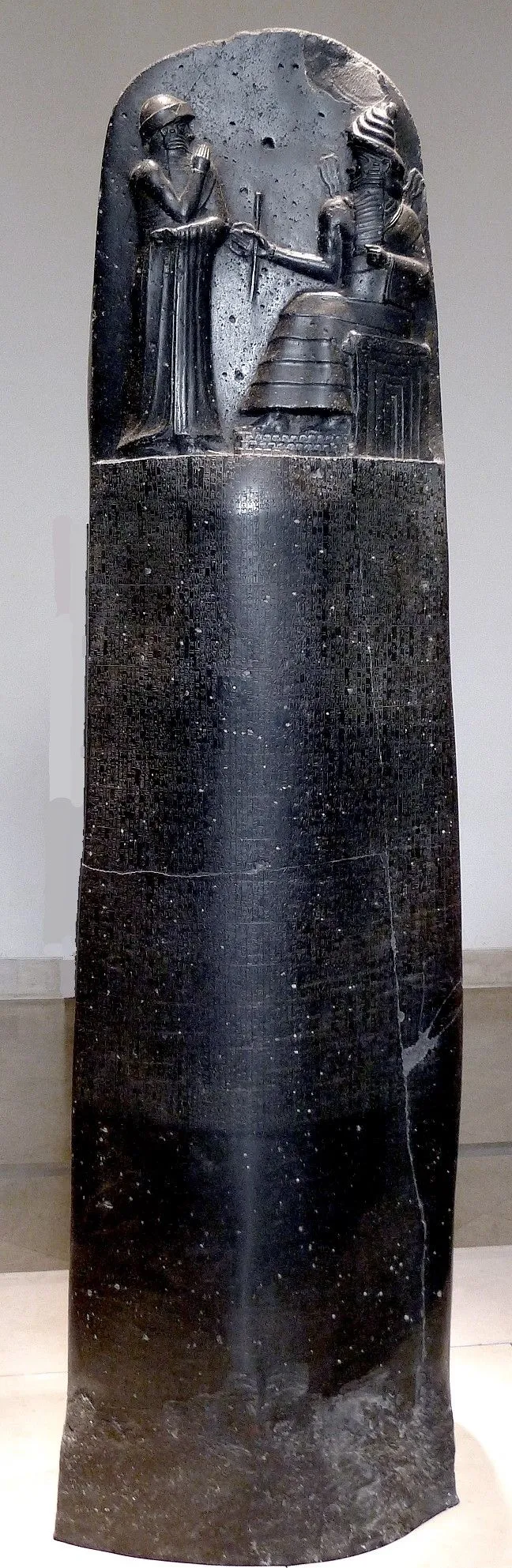 Photo: Hammurabi's Code, via omnika.org
Four thousand years later, most American workers can be fired "at will" for any reason or no reason at all. The question isn't why ancient Babylon was so progressive. It's why we decided to go backward.
What Hammurabi Actually Wrote
Law 273 of Hammurabi's Code states: "If anyone hire a laborer, he shall pay him from the beginning of the year to the fifth month five gerahs per day; from the sixth month to the end of the year he shall give him three gerahs per day."
This wasn't just about wages — it was about predictability. Workers knew what they would earn, when they would earn it, and how long their employment would last. The seasonal adjustment recognized that agricultural work varied throughout the year, but it prevented employers from arbitrarily cutting pay.
Law 276 went further: "If a man hire a boat, he shall pay the owner and shall not pay for the boat if it is wrecked through no fault of his own." Applied to labor relationships, this established the principle that workers shouldn't bear the cost of risks beyond their control.
Compare this to modern America, where "at-will" employment means your boss can fire you because they don't like your haircut, your political opinions, or the way you eat lunch. The only protections are against discrimination based on specific categories like race or gender — and even those require expensive lawsuits to enforce.
The Economics of Ancient Job Security
Why did Hammurabi care about worker protection? Not because he was particularly enlightened, but because Babylon's economy depended on skilled labor that took years to train.
If master craftsmen could fire apprentices arbitrarily, fewer people would enter apprenticeships. If construction supervisors could cheat workers out of wages, fewer people would work construction. If employers could break contracts without penalty, the entire labor market would collapse into mutual distrust.
Hammurabi understood something that modern economists rediscovered in the 1970s: employment relationships require long-term investment from both sides. Workers invest time learning specific skills. Employers invest time training workers for specific tasks. Both investments become worthless if either party can walk away without consequences.
This is why Silicon Valley companies offer stock options and golden handcuffs — they're trying to recreate the mutual commitment that Hammurabi built into law. The difference is that ancient Babylon extended these protections to ordinary workers, not just senior executives.
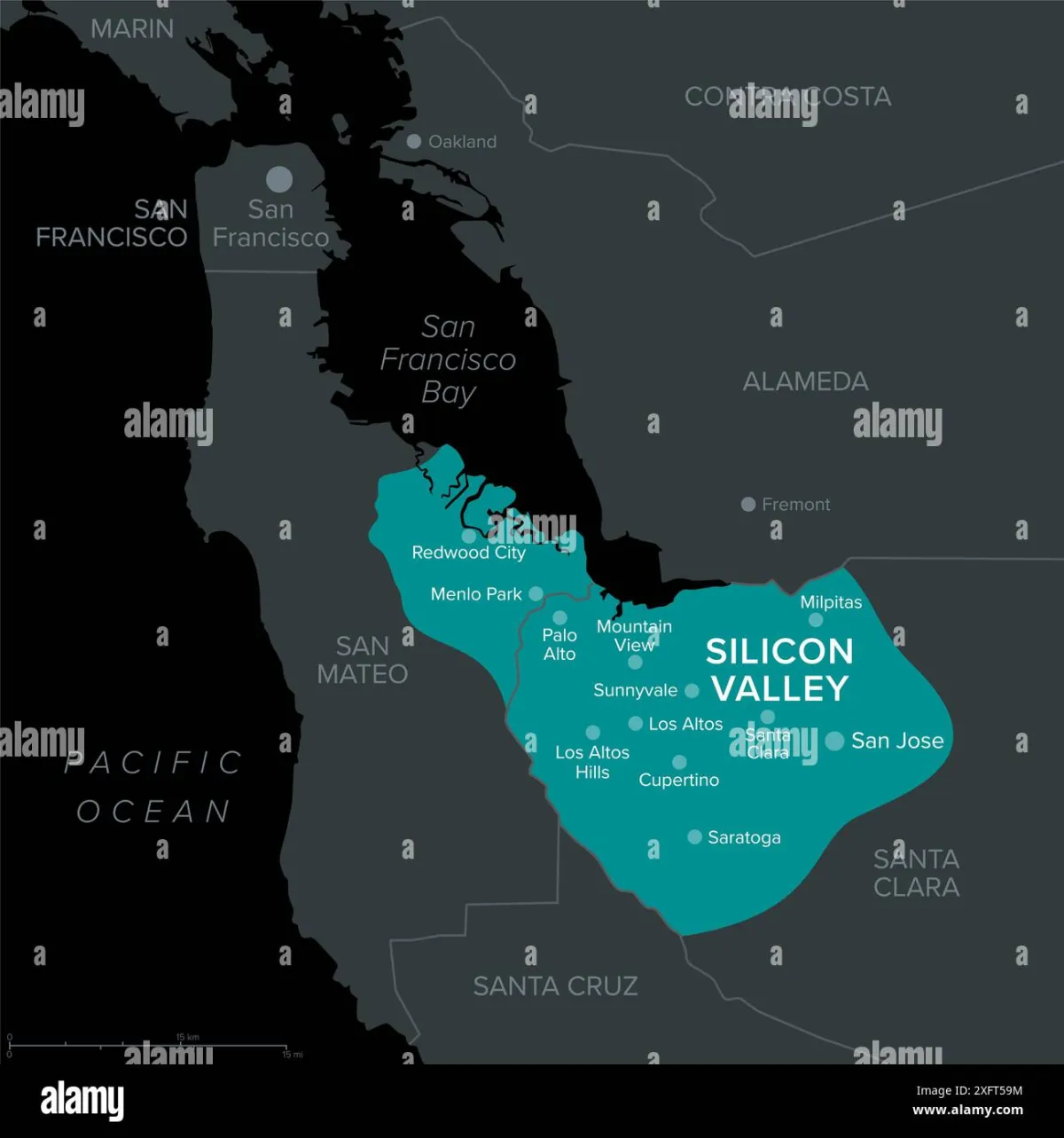 Photo: Silicon Valley, via c8.alamy.com
When Protection Became Privilege
Somewhere between ancient Babylon and modern America, worker protection became a privilege instead of a right. Union contracts, executive employment agreements, and tenured academic positions all provide the job security that Hammurabi considered basic.
But these protections only apply to workers with enough bargaining power to demand them. The majority of American employees — retail workers, restaurant staff, warehouse laborers — have less job security than Babylonian construction workers had 4,000 years ago.
The standard explanation is that labor markets became more complex, requiring more flexibility. But Babylon's economy wasn't simple. They had international trade, seasonal agriculture, complex manufacturing, and service industries. They managed to provide worker protection while building one of the ancient world's most successful economies.
The At-Will Innovation
American at-will employment wasn't an ancient tradition — it was a 19th-century innovation. Before the Industrial Revolution, most American workers had explicit or implicit contracts that provided some job security. Masters couldn't arbitrarily dismiss apprentices. Seasonal workers knew when their employment would end.
The at-will doctrine emerged as factory owners wanted maximum flexibility to hire and fire workers based on production demands. Courts gradually accepted the principle that employment relationships could be terminated by either party at any time for any reason.
This represented a fundamental shift in how society thought about work. Instead of mutual obligation between employer and employee, employment became a simple market transaction. Instead of long-term relationships requiring good faith from both parties, jobs became commodities to be bought and sold.
The Hidden Costs of Insecurity
Modern research suggests that Hammurabi might have been onto something. Countries with stronger worker protection laws tend to have higher productivity, better training programs, and more innovation. When workers feel secure, they're more willing to invest in skills. When employers can't fire arbitrarily, they're more careful about hiring and more invested in training.
American at-will employment creates what economists call "short-termism." Workers don't invest in company-specific skills because they might be fired tomorrow. Employers don't invest in worker training because employees might quit tomorrow. Both sides optimize for immediate returns rather than long-term value creation.
This shows up in measurable ways. American workers change jobs more frequently than workers in countries with stronger employment protection. American companies spend less on worker training than their European counterparts. American productivity growth has slowed even as job insecurity has increased.
The Psychological Contract
Hammurabi understood something that modern management theory is rediscovering: employment is fundamentally a psychological relationship, not just an economic transaction.
When workers feel secure, they're more creative, more collaborative, and more committed to long-term goals. When workers feel threatened, they focus on self-protection rather than value creation. The difference shows up in everything from customer service quality to innovation rates.
This is why companies like Google and Netflix offer elaborate perks and benefits — they're trying to create psychological security in a legal environment that provides none. But perks are poor substitutes for actual job protection. Free lunch doesn't help if you can be fired without warning.
Learning from the Past Market
Hammurabi's Code wasn't perfect. It applied different standards to different social classes. It included brutal punishments for some offenses. But its approach to employment relationships recognized something we've forgotten: mutual obligation creates mutual benefit.
The question isn't whether America should return to ancient Babylonian law. It's whether we can learn from a system that protected workers while building economic prosperity.
Four thousand years of evidence suggests that job security isn't the enemy of economic growth — it's a prerequisite. When workers feel secure, they invest in skills. When employers can't fire arbitrarily, they invest in training. When both sides commit to long-term relationships, both sides benefit.
Hammurabi carved his laws in stone because he wanted them to be permanent. American at-will employment exists because we decided worker protection should be temporary. The results speak for themselves.